
The real estate investment landscape has always evolved in response to demographic trends, and one of the most significant of these trends is the shifting balance between urbanization and suburban sprawl. For Real Estate Investment Trusts (REITs), understanding where people choose to live, work, and spend their time is essential to making sound investment decisions. As populations grow, age, and migrate, they shape the demand for different types of real estate. In turn, this affects REIT asset allocation, income stability, and long-term valuation.
In recent years, the tension between urban living and suburban expansion has grown more pronounced. Urbanization—defined as the movement of people into dense, city-based environments—continues in many parts of the world, especially in emerging economies and fast-developing regions such as the Middle East and North Africa (MENA). Meanwhile, in more mature markets, especially after the COVID-19 pandemic, suburban sprawl is gaining renewed interest as families and businesses seek space, affordability, and flexibility.
This article examines the ongoing demographic shifts between urbanization and suburban growth and explores how each trend is influencing REIT investment strategies across residential, commercial, retail, and industrial sectors.
Urbanization: A Longstanding Driver of REIT Demand
Urbanization has historically been a powerful force in shaping global real estate markets. As cities become economic, political, and cultural hubs, they attract migrants from rural areas in search of better opportunities. This influx of people leads to increased demand for housing, office space, retail locations, public infrastructure, and entertainment venues.
In countries across the Arab world—such as Egypt, Saudi Arabia, the UAE, and Morocco—urban growth has been both rapid and government-supported. Megacities like Cairo, Riyadh, and Dubai are undergoing transformations through large-scale urban development plans. For REITs operating in these markets, urbanization presents an opportunity to invest in high-density residential towers, shopping malls, medical centers, and mixed-use commercial developments.
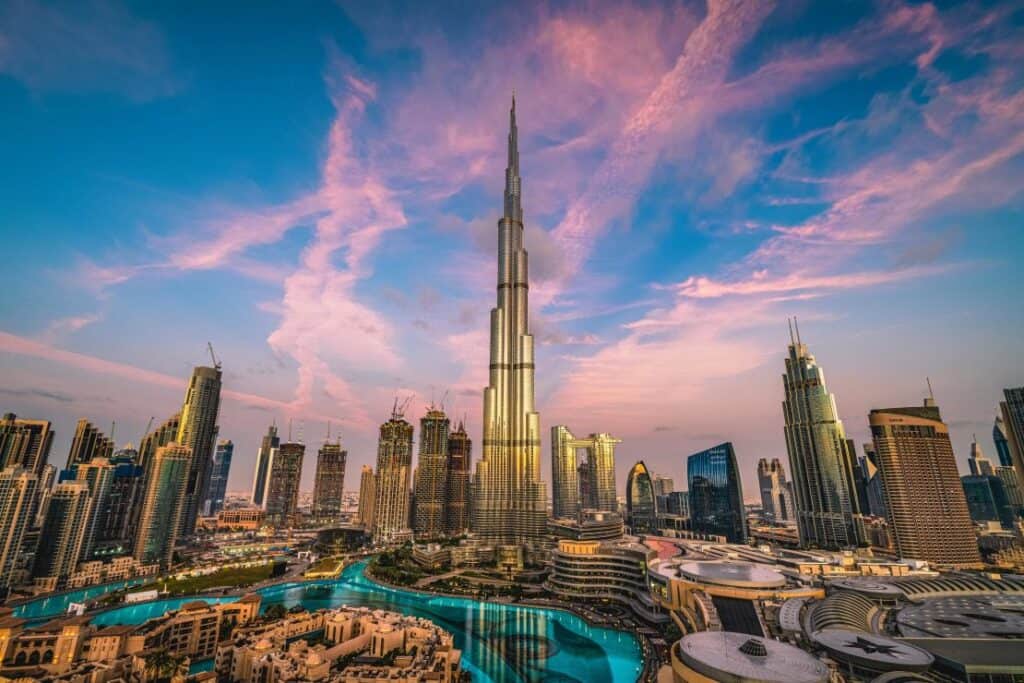
Urban environments tend to offer higher population density, which can lead to more predictable income streams for REITs. A large number of potential tenants, combined with limited land availability, supports rental growth and asset appreciation. Additionally, cities often have better infrastructure, transport systems, and digital connectivity, making them attractive to multinational corporations and young professionals alike.
Furthermore, cities are centers of innovation and lifestyle. Cultural attractions, educational institutions, business clusters, and dining and leisure facilities all contribute to the “live-work-play” concept that many urban REITs are capitalizing on. The rise of smart cities—such as NEOM in Saudi Arabia or Masdar City in Abu Dhabi—represents the next frontier of urban REIT investment, where sustainability, technology, and high-density living converge.
Suburban Sprawl: The New Frontier of Growth
While urbanization remains strong in many global markets, a counter-trend is also taking shape—suburban sprawl. In contrast to dense, high-rise urban environments, suburban areas offer more space, lower population density, and a more relaxed lifestyle. This shift is particularly evident in North America and parts of Europe, but it is also gaining traction in parts of the Middle East, especially among upper-middle-income families and retirees.
The COVID-19 pandemic accelerated this shift. As remote work became more common, people began to reconsider the need to live in crowded city centers. Lockdowns highlighted the importance of outdoor space, home offices, and access to parks and recreational areas. In response, many chose to relocate to suburban or exurban areas where property prices were lower and quality of life was perceived to be higher.
For REITs, this transition presented both challenges and opportunities. Urban office and retail REITs, in particular, experienced disruptions as businesses reduced their footprint and consumers shifted to online shopping. On the other hand, REITs with exposure to suburban residential, logistics and healthcare properties often performed well.
Suburban expansion is also driven by family formation and lifestyle preferences. As people marry and have children, they often seek larger homes, better schools, and safer neighborhoods—all attributes more commonly found in suburban areas. In many Arab countries, the preference for larger family units and multigenerational households further supports the suburban model.
Governments and private developers in the MENA region are beginning to respond. New cities and satellite communities around Cairo, Riyadh, and Abu Dhabi are being designed to provide suburban comfort with urban amenities. These developments often feature villas, townhouses, shopping centers, schools, and mosques, and are well-connected by highways and public transport systems. For REITs focused on residential or commercial property, these emerging suburban hubs represent attractive long-term investments.
Impact on Residential REITs
Residential REITs are perhaps the most directly affected by shifts between urbanization and suburban growth. In cities, REITs invest in high-rise apartment buildings, co-living spaces, and micro-units designed for young professionals and students. These properties benefit from proximity to employment centers, transit stations, and cultural attractions.
In suburban areas, REITs may prefer single-family rental homes, townhomes, or gated communities. These assets often command longer lease terms and more stable tenants, especially families looking for permanence and community.
The build-to-rent model is becoming popular in suburban zones, where REITs acquire or develop entire neighborhoods of homes specifically for rental purposes. This approach provides scale, operational efficiency, and consistency in property management, which aligns well with REIT structures.
For investors in the Arab region, the trend is nuanced. In countries like the UAE and Bahrain, where expatriates form a large portion of the population, urban apartments remain dominant. However, in Saudi Arabia and Egypt, where local families drive housing demand, suburban developments are gaining ground.
Commercial and Office REITs: Urban vs. Suburban Shifts
Office REITs traditionally thrived in central business districts (CBDs) where large companies clustered for access to talent and clients. However, remote work and hybrid work models have weakened the demand for centrally located, high-rise office towers.
Many companies are now considering suburban office campuses, co-working spaces closer to employees’ homes, or decentralized hubs that reduce commute times and operational costs. This creates opportunities for REITs that can adapt their office strategies to include flexible, well-located suburban properties.
In the MENA region, the office market varies significantly by country. Dubai’s office REITs still benefit from international business activity and a growing tech sector. In contrast, secondary cities in Saudi Arabia and Egypt are witnessing demand for mid-sized office parks and business centers outside the urban core.
Retail REITs: Malls vs. Community Centers
Retail REITs face a similar dual trend. Urban malls and high streets offer visibility and foot traffic but suffer from high rents and competition from e-commerce. Suburban retail centers—anchored by supermarkets, clinics, and service-oriented tenants—are proving more resilient.
Community-based retail centers offer everyday essentials and social gathering points, making them indispensable to suburban life. For REITs, these assets provide stable income, especially when leased to recession-resistant tenants like pharmacies, banks, and grocery stores.
In Arab cities, mega-malls such as The Avenues in Kuwait or Mall of Arabia in Cairo cater to urban shoppers and tourists. However, there is rising interest in developing smaller, open-air retail strips in suburban zones to serve residential communities. These can be attractive additions to REIT portfolios, especially when combined with other asset types in a mixed-use format.
Industrial and Logistics REITs
Industrial and logistics properties are among the biggest beneficiaries of suburban and exurban expansion. As people move to the outskirts of cities, and as e-commerce continues to grow, the need for last-mile delivery hubs, fulfillment centers, and distribution warehouses rises.
These assets are usually located on the periphery of urban zones where land is cheaper and access to highways is better. REITs investing in logistics and warehousing have seen strong performance across global and regional markets.
In the Gulf region, countries like Saudi Arabia and the UAE are investing in national logistics corridors and free zones. Industrial REITs are positioning themselves to benefit from these infrastructure projects by acquiring or developing strategically located properties in suburban areas with high transportation connectivity.
Regional Trends in MENA: Urban and Suburban Realignment
Urbanization remains the dominant theme in most Arab countries due to the ongoing need for economic development, job creation, and international investment. However, many countries are simultaneously promoting suburban expansion to address housing shortages and reduce congestion in existing cities.
In Egypt, the government is heavily investing in satellite cities like New Cairo, 6th of October City, and the New Administrative Capital. These areas offer suburban living with modern infrastructure, appealing to both middle-income and affluent households. REITs that can acquire residential compounds, schools, and retail centers in these zones are well-positioned for growth.
In Saudi Arabia, Vision 2030 promotes diversification and decentralization of economic activity. Secondary cities such as Abha, Tabuk, and Qassim are receiving increased attention for suburban real estate development, and REITs are exploring investments in logistics parks, healthcare centers, and student housing.
In the UAE, especially in Dubai and Abu Dhabi, the focus is on blending urban intensity with suburban comfort. Master-planned communities such as Arabian Ranches and Yas Island offer an integrated lifestyle that balances space with connectivity. REITs are starting to include suburban schools, clinics, and service apartments in their portfolios.
Conclusion: A Dual Strategy for REIT Success
Demographic shifts are not linear, and the choice between urban and suburban is not a zero-sum game. Both environments offer distinct advantages, and forward-thinking REITs are increasingly adopting a dual strategy—investing in dynamic urban cores while also pursuing opportunities in fast-growing suburban belts.
In urban areas, REITs benefit from scale, prestige, and density. In suburban zones, they gain access to affordability, stability, and emerging demand from families and logistics providers. The key to success lies in aligning asset selection with demographic realities, technological trends, and long-term policy goals.
For investors and REIT managers in the Arab world, the challenge is to build diversified portfolios that reflect the region’s unique blend of urban ambition and suburban expansion. With the right balance, REITs can position themselves to thrive in an increasingly complex and rapidly changing real estate environment.


