As Real Estate Investment Trusts (REITs) continue to grow and manage diverse portfolios across vast geographic regions, the need for efficient, accurate, and cost-effective property inspections has become more crucial than ever. In recent years, one technological innovation has transformed how inspections are conducted: drones, also known as unmanned aerial vehicles (UAVs). Their use has significantly altered traditional real estate management practices, offering REITs unique advantages in property maintenance, asset valuation, due diligence, and risk assessment.
From modern cityscapes in Dubai and Riyadh to vast industrial zones in Egypt and logistics parks in Saudi Arabia, drone technology is being embraced for its ability to provide rapid, detailed, and safe visual insights into assets. This article explores how drones are revolutionizing property inspections within large REIT portfolios, emphasizing cost savings, operational efficiency, compliance, and strategic asset management.
Why Property Inspections Matter in REIT Management
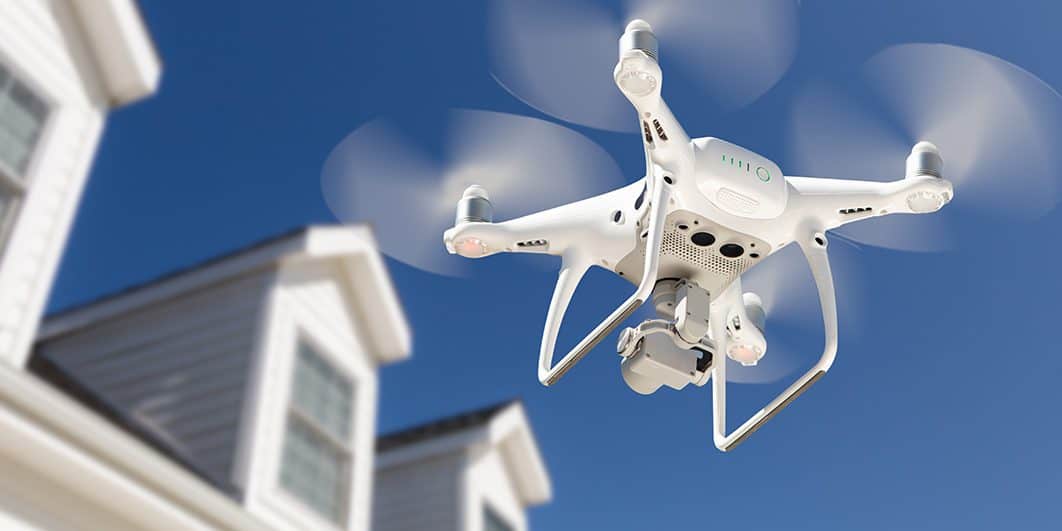
Before diving into drone applications, it’s important to understand the role property inspections play in REIT operations. A REIT typically holds a large number of properties—often spanning different asset classes, cities, and even countries. Maintaining these properties requires:
- Regular inspection of structural integrity and exterior conditions
- Monitoring of roofing systems, façades, HVAC units, and safety features
- Due diligence during acquisitions and dispositions
- Insurance and regulatory compliance documentation
- Tenant improvement assessments and lease verification
Traditionally, these tasks have relied on on-site teams, scaffolding, cranes, and manual photo documentation. These methods are time-consuming, expensive, and sometimes dangerous—especially for high-rise buildings, vast industrial sites, or remote properties.
How Drone Technology is Transforming Property Inspections
1. High-Resolution Aerial Imaging
Modern drones are equipped with high-definition cameras capable of capturing still photos, video footage, and even thermal imaging. These capabilities provide REIT managers with a real-time, detailed view of asset conditions—without setting foot on the roof or sending in maintenance teams.
Aerial images help detect:
- Roof deterioration, leaks, or membrane blistering
- Cracks in façades or structural damage
- Improper drainage or clogged gutters
- Overgrown vegetation or unauthorized structures
Instead of relying on partial images or hard-to-access angles, REITs can now conduct comprehensive visual audits with a single drone flight.
2. Improved Inspection Frequency and Coverage
Manual inspections often require significant planning, equipment rentals, and labor, making frequent inspections impractical. Drones, on the other hand, allow inspections to be carried out more regularly and at scale.
For example, a REIT managing 200 retail centers across several cities can deploy local drone operators or an in-house drone team to inspect all roofs, parking lots, and exterior elements every quarter—something that would be cost-prohibitive with traditional methods.
This frequent monitoring allows for:
- Early detection of maintenance issues
- Better capital expenditure planning
- Avoidance of emergency repairs
- Documentation of tenant compliance with lease terms
Applications Across Different REIT Sectors
1. Office and Commercial REITs
High-rise office buildings often require periodic inspections of rooftops, glass façades, and HVAC systems. Drones can safely capture these areas without endangering workers or disrupting tenants.
REITs can also monitor compliance with building regulations and perform thermal scans to identify energy efficiency problems or insulation failures.
2. Retail REITs
Shopping centers and strip malls have expansive roofs, parking lots, and signage areas. Drones can inspect these surfaces quickly, document wear and tear, and assess lighting conditions or signage damage.
For REITs that operate across a wide region, drone inspections help standardize assessments, compare performance across properties, and streamline maintenance requests.
3. Industrial REITs
Warehouses, distribution centers, and logistics hubs—often located in remote areas—benefit enormously from drone inspections. Drones can assess structural damage, storm impacts, and roof equipment integrity without the need for long travel times or site access permissions.
Drones also play a role in perimeter surveillance and security audits, particularly in assets with valuable inventory.
4. Residential and Multi-Family REITs
In large housing communities or high-density apartment complexes, drones allow REITs to inspect rooftops, solar panels, drainage systems, and shared amenities efficiently. They can also help monitor construction progress or tenant improvement works.
5. Hospitality and Resort REITs
Hotel and resort properties often span large areas and include complex landscape designs, swimming pools, rooftop bars, and maintenance-heavy features. Drones assist in documenting wear and tear, pool integrity, roof gardens, and aesthetic elements without disrupting guest experiences.
Financial and Operational Benefits for REITs
1. Cost Efficiency
The financial benefit is perhaps the most compelling reason for drone adoption. Traditional inspection methods incur costs for equipment rentals (scaffolding, lifts), labor, travel, and post-inspection reporting. By using drones, REITs can:
- Save on equipment and labor costs
- Reduce travel and accommodation expenses
- Conduct inspections more frequently for less money
A single drone operator can cover multiple properties in a day, capturing data in a format that can be analyzed immediately, thereby cutting down project durations significantly.
2. Time Savings
What might take a traditional team days or weeks can now be completed in hours. Drone inspections offer real-time data, enabling asset managers to make quick decisions on repairs, budgeting, or insurance claims.
This agility is essential for REITs, especially those managing high-value portfolios or seeking to meet ESG reporting timelines, internal performance benchmarks, or regulatory compliance schedules.
3. Risk Reduction
Sending workers onto rooftops or scaffolds always carries a degree of danger. Drone inspections eliminate this risk, improving workplace safety and reducing insurance liabilities. This is particularly relevant in regions where labor laws and safety regulations are tightening.
In the Arab region, where extreme heat and harsh weather are common, minimizing exposure for inspection staff also reduces health and legal risks.
4. Enhanced Data Management
Drone-collected data can be stored, compared over time, and integrated with property management software. This creates a comprehensive visual history of each property and supports:
- Long-term asset performance tracking
- Preventive maintenance scheduling
- AI-based predictive analytics for repair cycles
Drone Use in the Due Diligence and Acquisition Process
For REITs evaluating new assets for acquisition, drone inspections offer an efficient way to assess structural conditions, verify site layouts, and review surrounding land uses.
Instead of relying solely on blueprints or outdated records, investors and analysts can get a real-time look at:
- Roof conditions and mechanical equipment
- Parking areas and landscaping
- Site accessibility and zoning compliance
- Neighboring developments that may affect the value
This can speed up decision-making, support negotiations, and prevent unexpected costs post-acquisition.
Regulatory Considerations in Drone Deployment
Despite the benefits, drone usage is regulated in many jurisdictions. REITs must navigate aviation laws, privacy regulations, and municipal restrictions.
In Arab countries, the regulatory frameworks differ:
- UAE: Commercial drone use is allowed with registration and approval from the General Civil Aviation Authority (GCAA). Dubai, in particular, has strict zones.
- Saudi Arabia: The General Authority of Civil Aviation (GACA) regulates drone use. Commercial operations require licenses.
- Egypt: Drone usage for commercial purposes is restricted and requires permission from security agencies.
- Jordan and Qatar: Similar restrictions apply, with licensing requirements and no-fly zones near critical infrastructure.
REITs must work with local operators familiar with these laws or build in-house drone teams that ensure full compliance.
Integration with Other REIT Technologies
Drone technology does not operate in isolation. Its effectiveness is amplified when integrated with other innovations in REIT asset management:
- GIS Mapping: Overlaying drone imagery on geographic information systems (GIS) improves site planning and zoning analyses.
- AI and Machine Learning: AI algorithms can analyze drone imagery to detect patterns, assess wear, and predict failures.
- BIM (Building Information Modeling): Drones can provide real-time updates for BIM systems, especially for ongoing developments or retrofitting projects.
- IoT Sensors: Data from drone visuals can be cross-referenced with IoT sensor readings to create a complete picture of asset health.
This holistic approach increases efficiency and helps REITs respond to potential problems before they affect tenant satisfaction or financial performance.
Challenges and Limitations
While the advantages are significant, some challenges remain:
- Initial Investment: Setting up a drone inspection program requires investment in hardware, training, and software.
- Skilled Operators: Not all regions have an abundant supply of trained drone pilots with experience in real estate inspections.
- Data Overload: Managing, sorting, and interpreting high volumes of visual data requires digital infrastructure and skilled analysts.
- Weather Dependence: Harsh weather can delay drone flights or compromise image quality, especially in desert or coastal environments.
- Privacy and Legal Liability: Flying over residential areas or neighboring properties may expose REITs to legal claims if privacy laws are breached.
Strategic Recommendations for REITs
To implement drone inspections effectively, REITs should consider:
- Partnering with specialized drone service providers who understand the real estate sector
- Developing standardized inspection protocols and checklists across properties
- Training internal teams in drone data interpretation and risk assessment
- Integrating drone data into existing property management and asset valuation systems
- Engaging with regulators proactively to obtain necessary permits and ensure compliance
Conclusion
Drone technology has introduced a paradigm shift in how REITs manage, inspect, and maintain their portfolios. For large REITs managing diverse property types across wide regions, drones offer unmatched efficiency, accuracy, and cost control.
As real estate portfolios become more complex and geographically dispersed—particularly across the fast-growing urban landscapes of the Arab world—drones provide a scalable solution to maintain asset quality, reduce risk, and support informed decision-making.
By embracing drone inspections, REITs position themselves not only as technologically forward-thinking but also as more profitable and operationally resilient investment vehicles. The future of property management is airborne—and REITs that adapt early will lead the industry in performance and investor confidence.