
The search for affordable housing is a universal challenge, particularly in a world grappling with rising living costs. In this context, manufactured housing, often misunderstood or overlooked, has emerged as a surprisingly resilient and attractive segment of the real estate market. For investors, especially those in the Arab world seeking stable income and diversification, Manufactured Housing Real Estate Investment Trusts (REITs) offer a unique opportunity. Understanding their advantages, disadvantages, and the underlying market dynamics is crucial for informed investment decisions.
What are Manufactured Housing REITs?
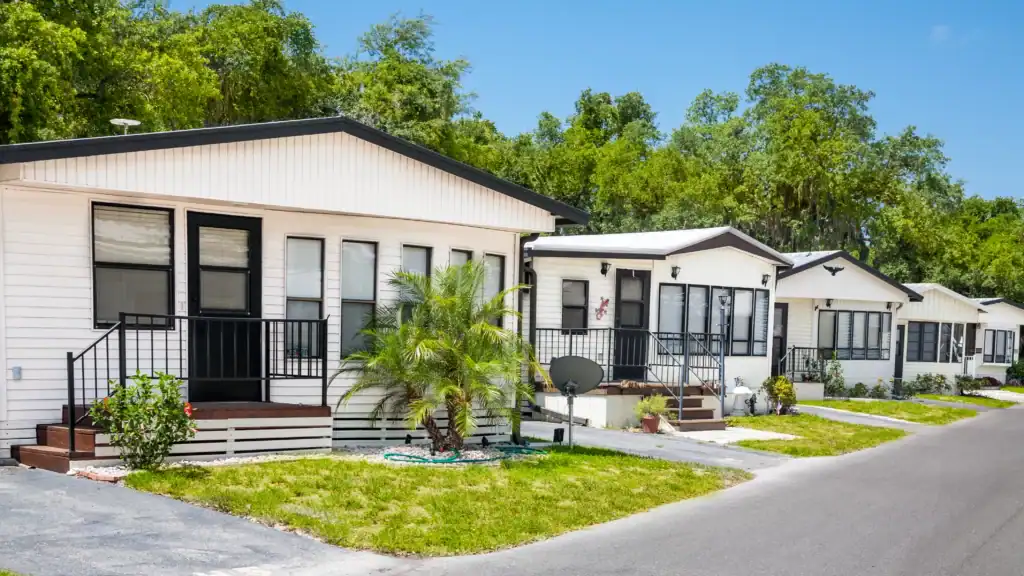
Manufactured Housing REITs specialize in owning and operating manufactured housing communities (MHCs), also sometimes referred to as mobile home parks. These communities are typically comprised of land parcels that are leased to individuals who own their manufactured homes. Some REITs may also own and rent out manufactured homes within their communities, though the primary business model revolves around land lease revenue.
It’s important to distinguish modern manufactured homes from the “mobile homes” of the past. Today’s manufactured homes are built in factories under strict quality controls (like the HUD Code in the U.S.), offering increasingly sophisticated designs, energy efficiency, and amenities that often rival site-built homes.
Investing in Manufactured Housing REITs allows investors to:
- Access a Niche Market: Gain exposure to a specialized real estate sector that caters to a specific demographic and need for affordable housing.
- Generate Income: Benefit from consistent rental income derived from land leases and, in some cases, home rentals.
- Diversify Portfolios: Add a defensive asset class to a broader investment portfolio, given its historically resilient performance.
- Rely on Professional Management: Enjoy the benefits of passive ownership, as experienced teams manage the day-to-day operations of the communities.
Pros of Investing in Manufactured Housing REITs
Manufactured Housing REITs boast several compelling advantages that make them an attractive investment proposition:
- Affordability and Persistent Demand: This is the cornerstone of the sector’s strength. As traditional homeownership becomes increasingly unaffordable for many, manufactured homes offer a significantly lower-cost alternative. This fundamental need for affordable housing ensures a steady and robust demand for manufactured housing communities, making them less susceptible to economic downturns than other real estate sectors. This is particularly relevant in the Arab world, where governments are often focused on providing affordable housing solutions for their growing populations.
- High Tenant Stickiness and Low Turnover: Once a manufactured home is placed in a community, relocating it is a complex and expensive endeavor for the homeowner. This high cost of moving translates into exceptionally long tenancy periods, sometimes averaging over a decade. Low tenant turnover results in stable occupancy rates and reduced re-leasing costs for REITs, contributing to predictable cash flows.
- Low Operating Expenses and Capital Expenditures: Compared to traditional apartments or other residential properties, manufactured housing communities have relatively low operating costs. The REIT typically owns the land and infrastructure (roads, utilities), while homeowners are responsible for the maintenance and repair of their homes. This reduces the burden of capital expenditures and ongoing maintenance for the REIT, leading to higher profit margins.
- Recession Resilience: During economic recessions or periods of uncertainty, demand for affordable housing tends to increase. People may choose to downsize from more expensive housing or opt for manufactured homes as a more accessible entry point to homeownership. This counter-cyclical characteristic makes Manufactured Housing REITs a defensive investment during challenging economic times.
- Limited New Supply and High Barriers to Entry: Developing new manufactured housing communities is challenging due to stringent zoning regulations, “Not In My Backyard” (NIMBY) sentiment from existing residents in many areas, and the extensive capital required for land acquisition and infrastructure development. This scarcity of new supply helps to maintain high occupancy rates and allows existing communities to command stable or increasing rental rates.
- Scalability and Consolidation Opportunity: The manufactured housing market is often fragmented, with many smaller, independently owned communities. This presents opportunities for larger REITs to acquire and consolidate these assets, implementing professional management practices and achieving economies of scale, thereby enhancing profitability.
Cons of Investing in Manufactured Housing REITs
Despite their strengths, Manufactured Housing REITs also come with specific risks and considerations that investors should be aware of:
- Reputation and Stigma: Historically, manufactured homes and communities have suffered from a negative public perception, often associated with “trailer parks” or lower-income living. While modern manufactured homes have vastly improved in quality and aesthetics, this lingering stigma can sometimes affect property values or limit broad public acceptance, though this is evolving.
- Geographic Concentration Risk: A REIT with a high concentration of properties in a specific region could be vulnerable to localized economic downturns, natural disasters, or adverse regulatory changes in that area. Diversification across different regions and markets is crucial to mitigate this risk.
- Regulatory and Zoning Challenges: As mentioned, securing zoning approval for new manufactured housing communities can be a significant hurdle. Furthermore, local regulations regarding rent control or community standards can impact a REIT’s ability to operate and generate revenue.
- Interest Rate Sensitivity: Like all REITs, manufactured housing REITs are sensitive to interest rate fluctuations. Rising interest rates can increase borrowing costs for acquisitions and development, potentially impacting profitability. Higher interest rates can also make alternative, less volatile investments more attractive, reducing investor demand for REIT shares.
- Economic Sensitivity for Certain Tenants: While the sector is generally resilient, a severe economic downturn leading to widespread job losses could still impact the ability of some tenants to pay rent, particularly those in lower-income brackets.
- Financing Challenges for Homeowners: While financing for manufactured homes has improved, it can sometimes be more challenging or come with different terms than traditional mortgages, especially for those purchasing older homes or those on leased land. This could potentially affect the demand for homes within the communities if financing options become restrictive.
- Maintenance of Infrastructure: While homeowners maintain their units, the REIT is responsible for the upkeep of the community’s infrastructure (roads, utilities, common areas). Neglecting this can lead to tenant dissatisfaction and reduced property value.
Market Dynamics and Outlook for the Arab World
The concept of manufactured housing communities, as understood in Western markets, is less prevalent in the Arab world. Traditional housing models and family structures often dominate. However, the region is experiencing significant demographic and economic shifts that could pave the way for increased relevance of manufactured housing solutions:
- Growing Demand for Affordable Housing: Rapid population growth and urbanization across many Arab nations, including Egypt and Saudi Arabia, are creating immense pressure on the housing supply. Governments are actively pursuing initiatives to provide affordable housing for their citizens. Manufactured homes, with their faster construction times and lower costs, could present a viable solution.
- Mega-Projects and Economic Diversification: Countries like Saudi Arabia and the UAE are undertaking ambitious mega-projects and developing new economic zones and cities. These require rapid deployment of housing for workers and residents, where prefabrication and manufactured housing could play a crucial role.
- Increased Acceptance of Modular and Prefabricated Construction: There’s a growing awareness and acceptance of modern construction techniques like modular and prefabricated building, which can offer efficiency and cost savings. This could gradually extend to a greater embrace of manufactured homes.
- Addressing Housing Deficits: In many parts of the Arab world, there’s a significant housing deficit. Manufactured housing, either as standalone units or within professionally managed communities, could help bridge this gap more quickly and economically than traditional construction.
- Potential for Shariah-Compliant Structures: For investors in the Arab world, the ability to structure Manufactured Housing REITs to be Shariah-compliant is vital. This would involve ensuring that the REIT’s operations and financing methods adhere to Islamic finance principles, opening up this asset class to a broader investor base in the region.
While a dedicated “Manufactured Housing REIT” sector might not be explicitly developed in the Arab world yet, the underlying demand for affordable, rapidly deployable housing solutions is undeniable. Future developments in this area might see:
- Government-led Initiatives: Direct government involvement or incentives to promote the development of such communities as part of national housing strategies.
- Integrated Developments: Manufactured housing integrated into larger, mixed-use developments, particularly in new urban centers or industrial zones.
- Regional Investment in Global MHC REITs: Arab investors looking to diversify internationally might consider investing in established Manufactured Housing REITs in mature markets (like the U.S.) to gain exposure to this resilient sector.
Conclusion
Manufactured Housing REITs represent a compelling investment opportunity, primarily driven by the enduring need for affordable housing and the sector’s inherent defensive characteristics. Their stable cash flows, high occupancy rates, and relatively low operating costs make them an attractive option for income-seeking investors.
However, like any investment, they carry specific risks related to public perception, geographic concentration, and regulatory environments. For investors in the Arab world, while the direct local market for this specific REIT type is still nascent, the broader macroeconomic trends of population growth, urbanization, and the pursuit of affordable housing solutions suggest a growing future relevance for factory-built housing. As the understanding and acceptance of modern manufactured housing evolve, and as Shariah-compliant investment structures become more prevalent, Manufactured Housing REITs could emerge as a significant and valuable asset class within the regional investment landscape.


