Have you ever wondered why Nasr City continues to top the list for real estate buyers, investors, and developers — even as new cities keep popping up across Greater Cairo?
While areas like New Cairo, the New Administrative Capital, and 6th of October dominate today’s headlines, Nasr City quietly remains one of Cairo’s most reliable and in-demand real estate markets. It’s not the newest or flashiest, but its resilience, strategic location, and sheer size make it a constant favorite in the property scene.
This isn’t by chance. There are structural, economic, and emotional reasons behind Nasr City’s long-lasting appeal — and understanding them is key for anyone working in Egypt’s property sector.
Let’s dive deep into what keeps Nasr City at the top of Cairo’s real estate conversation.
A City Within a City
When people describe Nasr City, they often call it “a city within Cairo.”
That’s not just a phrase — it’s a reality. Built in the 1960s as a planned district to relieve pressure from central Cairo, Nasr City evolved into a complete ecosystem where people can live, work, study, shop, and unwind — all without ever leaving the area.
From international schools and top universities like Ain Shams and the Arab Open University, to shopping landmarks like City Stars and Genena Mall, to major hospitals, sports clubs, and government offices — Nasr City simply has everything.
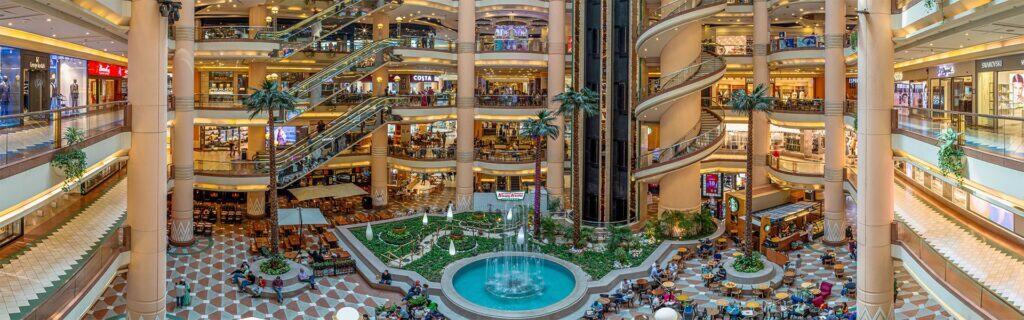
That makes it both a residential magnet and a commercial powerhouse. Whether you’re a family looking for stability, a young professional needing proximity to work, or a developer seeking guaranteed demand, Nasr City offers a unique balance of urban convenience and investment security.
Strategic Location: The Heart of East Cairo
Location has always been one of Nasr City’s biggest strengths.
Situated between Heliopolis and New Cairo, the district enjoys immediate access to Cairo International Airport, the Ring Road, the Autostrad, and the main axis connecting central Cairo to its eastern suburbs.
This makes it one of the few areas in Cairo that can claim seamless connectivity in every direction — to downtown, to the airport, to the highways leading to the New Capital, and to neighboring business zones.
It’s not just the roads, either. The public transportation network — buses, taxis, and the planned extension of the Cairo Metro — reinforces Nasr City’s accessibility.
For developers, this level of infrastructure maturity translates into lower risk and predictable demand. For residents, it means less commuting stress and easier daily living.
It’s no wonder that even with newer urban centers developing eastward, Nasr City remains a logistical sweet spot for professionals and families who want to stay close to both old and new Cairo at once.
A Mature Market That Keeps Evolving
Unlike emerging areas that are still being built, Nasr City is fully established — yet it’s constantly reinventing itself.
While it’s home to some of Cairo’s oldest planned buildings, it’s also witnessing a wave of redevelopment and modernization. Many older apartment buildings are being renovated, and smaller developers are transforming outdated stock into more modern residential spaces.
This evolution keeps the district relevant and competitive. You can find:
- Affordable older apartments appealing to middle-class families.
- Refurbished mid-range units targeting professionals.
- Luxury apartments near main streets like Abbas El Akkad and Makram Ebeid attract upper-middle buyers.
In short, Nasr City doesn’t just age — it adapts.
Developers who recognize this pattern are actively reinvesting in the area, leveraging its huge population base and proven desirability to introduce refreshed projects that blend modern living with classic Cairo convenience.
Who’s Buying and Why?
Nasr City’s appeal lies in the diversity of its audience. There isn’t one single “typical” buyer here — there are many, and that’s precisely what makes the area so resilient.
1. Families
Nasr City is one of the most family-friendly districts in Cairo.
It offers a wide range of apartment sizes, multiple schooling options, and plenty of parks and sports clubs. For families who want to stay connected to the city center without sacrificing amenities, it’s a natural choice.
2. Professionals and Students
Its proximity to major business centers and universities creates strong rental demand from professionals and students. The area’s centrality makes it ideal for those working in Heliopolis, downtown, or even New Cairo.
3. Investors
Investors view Nasr City as a safe bet — not necessarily for extreme short-term returns, but for steady capital appreciation and reliable rental income. The occupancy rate for rental units here is among the highest in Cairo, supported by continuous population turnover and steady demand.
4. Developers
Developers appreciate the massive population base and clear market data. Unlike speculative zones where buyer profiles are uncertain, Nasr City’s market behavior is well understood. This gives developers the confidence to build or redevelop with a clear sales strategy in mind.
Price Trends and Market Performance
Let’s look at the numbers.
Recent data show that Nasr City remains one of the best-performing districts in Cairo in terms of price growth and transaction volume.
According to Global Property Guide (June 2025), the average apartment price surged by more than 50% year-on-year, reaching around EGP 21,000 per square meter — a remarkable jump driven by inflation, construction costs, and rising demand for central locations.
Even earlier in 2023, Property Finder reported an impressive increase in one-bedroom apartment prices — from roughly EGP 600,000 to EGP 1 million within a year.
For investors, that’s a clear signal: Nasr City’s property values not only hold steady — they grow faster than most mature districts.
And for end-users, these numbers reflect confidence in the area’s long-term stability and convenience.
Why It Outperforms New Cities
You might ask: if Egypt is building entirely new urban hubs, why do people still pay a premium for Nasr City?
The answer lies in three simple truths:
1. Convenience
New cities like New Cairo or the New Administrative Capital offer space and luxury — but also distance. Many professionals still work in central or east Cairo, and commuting from far suburbs can take hours.
Nasr City, on the other hand, allows people to live close to everything that matters — work, family, education, and entertainment.
2. Established Infrastructure
There’s no waiting for utilities, roads, or malls to open. Everything in Nasr City is already here. For many buyers, especially families, that certainty outweighs the appeal of “newness.”
3. Balanced Pricing
While new compounds in outer Cairo can be expensive due to marketing, land cost, and luxury finishes, Nasr City offers strong value retention — properties appreciate steadily but remain more attainable than ultra-premium projects.
That combination of location, reliability, and proven performance keeps Nasr City’s demand strong across all market cycles.
The Challenges Developers and Buyers Should Know
No market is perfect — and Nasr City has its challenges.
Traffic Congestion:
Its centrality means constant activity. Major roads like Abbas El Akkad and Makram Ebeid can get congested, especially during rush hours. For residents, parking can also be a challenge.
Variation in Building Quality:
Because Nasr City is large, building quality varies widely. Some towers are modern and well-managed; others are older and need renovation. Buyers must perform proper inspections and understand service charges before purchasing.
Limited New Land:
Most available plots are already developed, meaning new projects often rely on redevelopment rather than expansion. Developers need to be strategic about location and differentiation.
High Competition:
Since many agents and developers operate in Nasr City, standing out requires strong branding, flexible payment plans, and unique product features.
Despite these, Nasr City’s strengths far outweigh its flaws — and its challenges are exactly what fuel ongoing investment and renewal.
Opportunities for Developers
Nasr City is not “saturated” — it’s mature. That distinction matters.
For developers, opportunities still exist in:
- Redeveloping older plots: Upgrading older apartment blocks or converting mixed-use areas into modern living spaces.
- Compact housing: Introducing smaller, efficiently designed apartments that appeal to professionals and investors.
- Premium finishes and services: Many buyers in Nasr City are ready to pay more for new standards of comfort, safety, and smart features.
- Mixed-use buildings: Combining residential and commercial spaces fits the district’s dynamic lifestyle.
Developers who respect Nasr City’s character — while bringing modernity — often achieve faster sales cycles than in distant new zones.
Living in Nasr City Today
Ask anyone who lives in Nasr City, and they’ll tell you it’s not just about location — it’s about energy.
Cafés buzz late into the night, local bakeries line every street, and cultural diversity gives the area a special pulse.
From Abbas El Akkad’s famous restaurant strip to the bustling Genena Mall, the district is full of life. Parks, mosques, schools, and clubs give it depth and community.
That atmosphere — urban yet familiar — is what keeps generations of Cairenes loyal to it. For new buyers, it offers a piece of the authentic Cairo experience, but with all the comforts of modern living.
The Investment Outlook
So where is Nasr City headed in the next few years?
Experts agree the area will likely continue appreciating, though perhaps at a steadier rate after recent jumps. Its central location, redevelopment opportunities, and consistent demand give it a foundation that few other areas can match.
Moreover, as developers in the New Administrative Capital focus on large-scale luxury projects, many middle- and upper-middle-income buyers are returning to central districts like Nasr City for more practical housing options.
This shift could lead to another wave of modernization — with upgraded buildings, improved public spaces, and possibly new mixed-use developments blending residential comfort with commercial vitality.
In short: Nasr City isn’t being replaced — it’s being redefined.
FAQs
1. Is Nasr City still a good place to buy property in 2025?
Absolutely. Despite rising prices, Nasr City remains one of Cairo’s most stable and liquid property markets. It offers consistent demand, solid infrastructure, and long-term appreciation potential — ideal for both living and investing.
2. What’s the average apartment price in Nasr City today?
As of mid-2025, the average apartment price sits around EGP 21,000 per square meter, depending on exact location, building quality, and finishes.
3. Is it better to buy an old apartment or a newer one in Nasr City?
That depends on your goals. Older units often offer larger spaces at a better value but may require renovation. Newer buildings provide modern amenities and easier maintenance, but at a premium price per square meter.
4. How does Nasr City compare to New Cairo?
New Cairo offers a suburban lifestyle and gated compounds, while Nasr City delivers unbeatable convenience and proximity to central Cairo. Buyers looking for accessibility and vibrant city life often prefer Nasr City.
5. What type of properties perform best in Nasr City?
Mid-sized apartments (120–180 sqm) in well-maintained or newly renovated buildings perform best — both for resale and rentals. Units near Abbas El Akkad, Makram Ebeid, or Nasr Road tend to command the highest demand.