Coming from a background in Egyptian real estate, the American Multiple Listing Service (MLS) was a culture shock for me. In Cairo, the market is fluid. If a deal is delayed, we drink tea and wait. If a description is slightly exaggerated, we call it “marketing.” There is no central computer fining you because you didn’t report a handshake deal within 24 hours. But here in the US, the MLS is not just a database; it is a regulatory machine. It acts as the judge, jury, and executioner of your commission check.
Many agents view these fines as a nuisance or a revenue generator for the local board. But if you look closer, these penalties reveal the nervous system of the housing market. The MLS relies on accurate, timely data. When you mess with that data, you aren’t just breaking a rule; you are breaking the valuation model for everyone else.
Let’s dig into the reality of what actually triggers these fines so you can keep your hard-earned money in your pocket where it belongs.
Did You Forget to Change the Status After the Champagne Popped?
The single most common fine in the industry is the “Status Violation.”
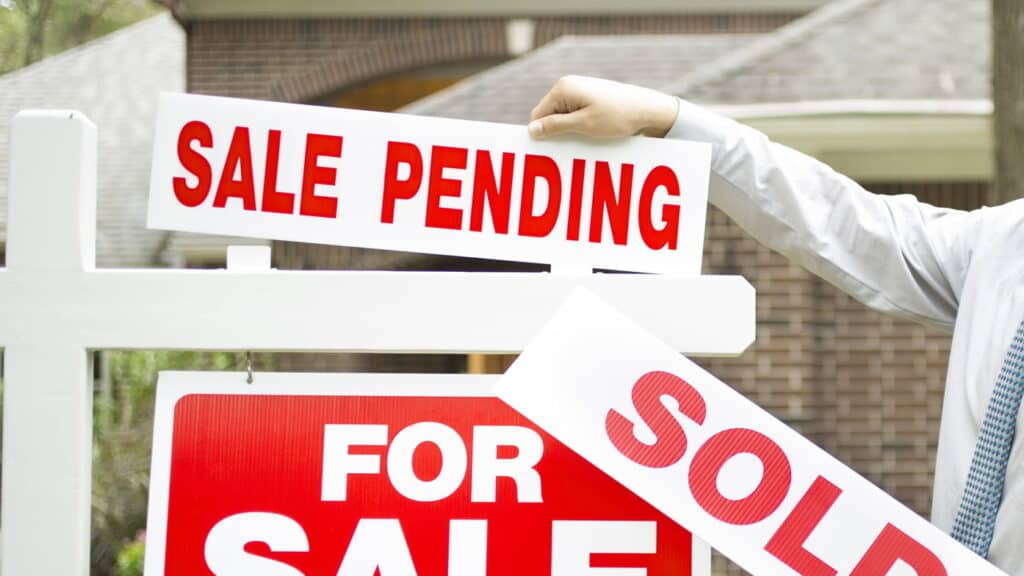
It happens to the best of us. You finally close that nightmare escrow. You are celebrating, you are moving on to the next client, and you forget to log in to the MLS and change the status from “Pending” to “Sold.”
To you, it’s a minor administrative oversight. To the MLS, it’s a cardinal sin.
Most boards have a strict window—usually 2 to 3 days—to update a status change. This applies to everything: moving from Active to Under Contract, from Pending to Sold, or from Active to Withdrawn.
Why does the board care so much? Because the market moves faster than your paperwork. Appraisers use MLS data to determine the value of other homes right now. If you leave a sold home marked as “Active” for a week, you are polluting the data pool. You are giving other agents false hope that inventory is available, and you are messing up the “Days on Market” statistics for the entire neighborhood.
I learned the hard way that “I was busy closing the deal” is not a valid excuse during an appeal. In the eyes of the compliance department, if you have time to cash the check, you have time to update the status.

Are You Accidentally Branding Yourself in the Public Remarks?
This is where the “creative writer” in us gets into trouble. You want buyers to call you, not the agent who bought the Zillow lead. So, you sneak your phone number into the property description.
You have just triggered a “Branding Violation.”
The MLS is a cooperative database. When you hit submit, your listing is syndicated to thousands of other websites, including the websites of your competitors. The rules of IDX (Internet Data Exchange) generally forbid you from branding the listing data that appears on another broker’s site.
The algorithm scanning your listing is looking for patterns. It spots phone numbers, email addresses, website URLs, and even phrases like “Call the listing agent for a deal!” in the public remarks section.
In Egypt, if you don’t put your name on the building, nobody knows who to pay. Here, the system forces you to be anonymous in the public description to ensure a level playing field. Keep your contact info in the “Private Remarks” or “Agent Only” section. If you put it in the public description, you are essentially trying to hijack the lead flow, and the fine for this is usually automatic and non-negotiable.
Is Your “Coming Soon” Strategy Actually a Pocket Listing Violation?
In the last few years, the National Association of Realtors (NAR) dropped a hammer on the industry called the “Clear Cooperation Policy.” This has become the biggest source of high-dollar fines in the market.
Here is the trap: You sign a listing on Wednesday. The seller says they need a week to paint. You agree to put it on the MLS next week. But on Friday, you excitedly post a photo of the front of the house on your Facebook business page with the caption, “Coming Soon in Springfield! Call me for a sneak peek!”
You have just publicly marketed the property.
Under Clear Cooperation, if you market a property to the public (social media, yard sign, email blast to a large list), you must submit it to the MLS within one business day. You cannot tease the public while keeping the listing hidden from other agents.
I have seen agents get hit with fines starting at $1,000 for this specific violation. The board views this as an antitrust issue. You are effectively creating a private market (a pocket listing) while denying other agents the chance to sell it. If you want to do “Coming Soon,” you must use the specific “Coming Soon” status in the MLS, which usually restricts you from showing the property until it goes fully Active.

Did You Upload a Photo That Creates Legal Liability?
We often upload photos in a rush, dragging and dropping files from a folder. But the compliance bots are scanning those pixels for two specific things: branding and copyright theft.
First, branding in photos. You cannot have your “For Sale” sign visible in the front exterior shot. You cannot watermark the images with your brokerage logo. Just like the public remarks, the photos must be neutral because they will appear on Redfin, Realtor.com, and your competitor’s website. If a buyer is on a competitor’s site and sees your face in the photo, that competitor is advertising you. The board stops this with fines.
Second, and far more dangerous, is copyright infringement.
Let’s say you take over a listing from another agent who couldn’t sell it. You see their photos on the old listing and think, “Those are great; I’ll just save and re-upload them.”
Stop.
Unless you have a written transfer of license from the photographer (not just the homeowner), you are stealing intellectual property. There are law firms that do nothing but scrape MLS data, looking for recycled photos. This isn’t just a 100 MLS fine; this can turn into a $5,000 settlement demand from a copyright attorney. Always pay for your own photos. It is cheaper than the penalty.
Are You Endangering the Seller with Your Entry Instructions?
This violation is rare, but when it happens, the fine is immediate and often severe because it involves physical safety.
You must never, under any circumstances, put an access code, a gate code, or a lockbox combination in the Public Remarks.
It seems obvious, right? But sometimes agents get confused between “Public Remarks” and “Private/Agent Remarks.” If you type “Gate code is #1234” in the public section, that code is now visible on Zillow to anyone with an internet connection—neighbors, thieves, squatters, anyone.
I remember an instance where an agent accidentally put the alarm code in the public description. The board didn’t just fine him; they suspended his MLS access until he took a mandatory ethics class. The liability here is massive. If a home is burglarized because you broadcast the security code, a $500 fine will be the least of your worries.
How to Audit Yourself Before the Board Does
The reality is that MLS compliance audits are largely automated now. A real person isn’t reading your listing; a script is scanning it for keywords and patterns. This means you cannot charm your way out of it.
To avoid these penalties, you need to change your workflow. When you are inputting a listing, treat it like a legal filing, not a marketing flyer.
- Check your dates: If the contract says the listing starts on the 1st, do not enter it on the 3rd without an amendment.
- Sanitize your descriptions: Read your public remarks. If you see your name, number, or website, delete it.
- Verify your photo rights: Did you take the photo, or did you pay someone who gave you the rights? If not, don’t use it.
- Respect the status: If you sign a closing statement, open your laptop and mark it “Sold” immediately.
The MLS is a powerful tool, but it is a jealous one. It demands accuracy. In Egypt, we might rely on the strength of our word and our relationships, but here, the data is king. Respect the data, and you will protect your paycheck.