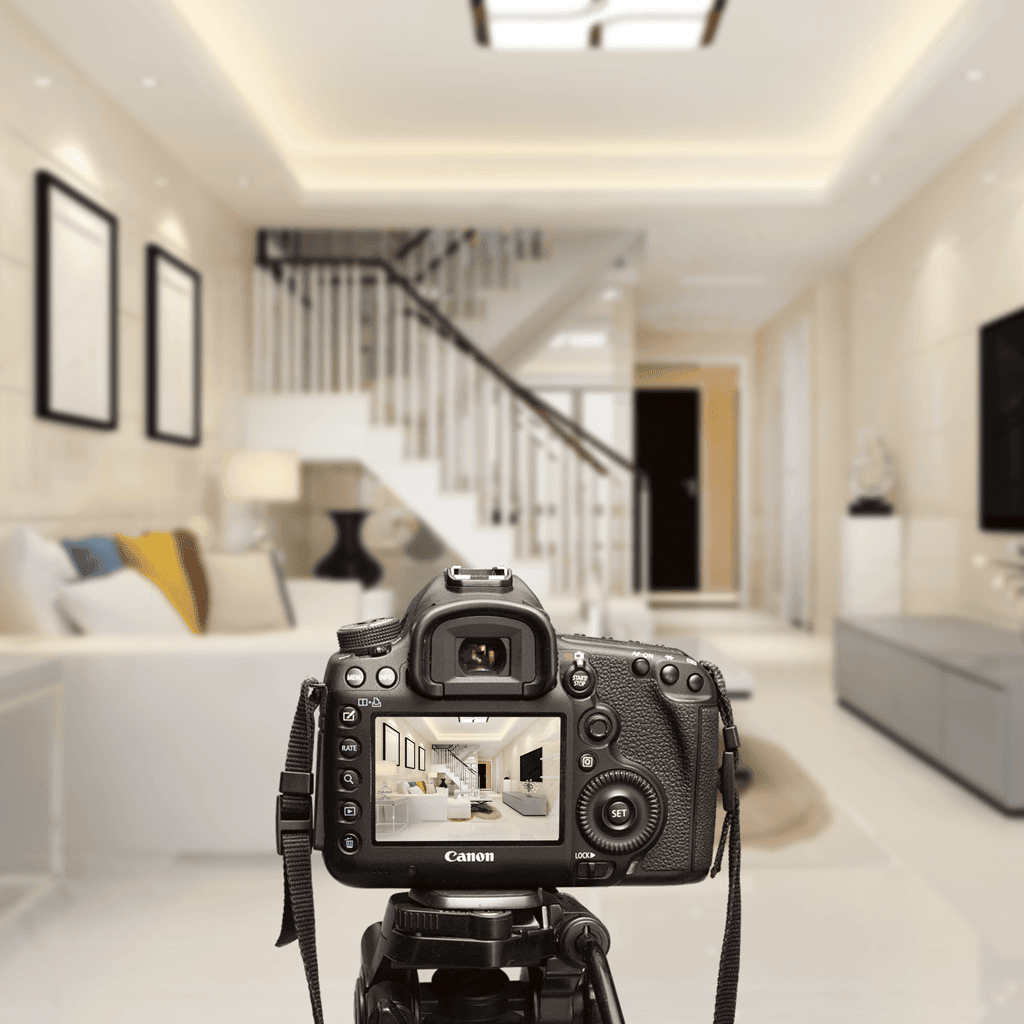
Do you need to learn more about MLS photo orders?
In today’s competitive real estate market, the saying “a picture is worth a thousand words” has never been more accurate. For sellers, agents, and brokers alike, the quality of property images can significantly influence buyer engagement and ultimately, sales. Multiple Listing Service (MLS) photo orders—requests for professional photography to be uploaded to property listings—are no longer just an optional marketing tool; they are a critical factor in driving high-conversion leads. Understanding the science behind high-conversion MLS photo orders is key to optimizing real estate marketing strategies.
The Psychology of Visual Perception in Real Estate
Human beings are inherently visual creatures. Studies suggest that the human brain processes images 60,000 times faster than text. This cognitive bias implies that the first impression of a property often comes from the images displayed online. Consequently, the quality, composition, and presentation of MLS photos play a pivotal role in capturing potential buyers’ attention.
When browsing listings, prospective buyers often make split-second decisions about whether to engage further with a property. High-quality photos featuring clear, well-lit, and aesthetically pleasing images can evoke emotional responses such as comfort, desire, or aspiration. Conversely, low-resolution or poorly composed photos can cause instant disengagement. Understanding these psychological triggers is essential for creating MLS photo orders that convert viewers into leads.
Composition and Staging: More Than Just Pretty Pictures
The science of photography is deeply intertwined with principles of composition and staging. Professional real estate photographers use techniques such as the rule of thirds, leading lines, and symmetry to guide a viewer’s eye through a space. For example, positioning a sofa along a leading line or arranging a dining table at a focal point can subconsciously encourage the viewer to explore the property more thoroughly.
Staging, too, is a critical component. Decluttering, adding tasteful decor, and optimizing furniture placement can make rooms appear more spacious, inviting, and functional. High-conversion MLS photo orders often include guidance for staging, ensuring that the property’s most appealing features are highlighted. Science shows that well-staged homes not only photograph better but also sell faster and at higher prices, making staging a key factor in photo order strategy.
Lighting: The Unsung Hero of High-Converting MLS Photos
Lighting is perhaps one of the most critical elements in real estate photography. Natural light is highly preferred because it creates a sense of warmth and openness. Photos taken during the day with abundant natural light can make spaces appear larger and more welcoming. Conversely, poorly lit photos can cast shadows, distort colors, and create an uninviting atmosphere.
High-conversion MLS photo orders account for the time of day, window orientation, and supplemental lighting techniques. Photographers often use a combination of ambient and artificial light to balance exposure and highlight key features of a property. This careful attention to lighting significantly impacts how potential buyers perceive a space, influencing their likelihood of requesting a showing.
The Role of Angles and Perspective
Beyond lighting and staging, the choice of camera angles dramatically affects conversion rates. Eye-level shots provide a realistic perspective of the space, while wide-angle lenses can make rooms appear larger and more open. Overhead or bird’s-eye views can be particularly effective for showcasing floor plans and spatial relationships within a home.
High-conversion MLS photo orders typically specify a variety of angles for each room, ensuring that potential buyers can mentally “walk through” the property. This approach taps into the brain’s spatial reasoning abilities, allowing viewers to imagine themselves living in the space—a psychological trigger that increases engagement and inquiry rates.
Data-Driven Decisions: Understanding Buyer Behavior
The science of high-conversion MLS photo orders extends beyond aesthetics into analytics. Real estate professionals increasingly rely on data to inform photography decisions. Metrics such as click-through rates, time spent on listings, and engagement patterns provide insight into which photos resonate most with buyers.
For instance, research indicates that exterior shots, kitchens, and master bedrooms consistently drive higher engagement. By analyzing these trends, agents can prioritize certain rooms or angles in their photo orders. Additionally, testing different compositions and tracking their performance enables continuous optimization, creating a feedback loop that maximizes conversion.
Technology and Enhancement: Beyond Traditional Photography
Technology has revolutionized MLS photo orders, offering tools that enhance visual appeal and improve conversion rates. High dynamic range (HDR) imaging balances exposure in challenging lighting conditions, while drone photography provides aerial perspectives that showcase property size and surrounding amenities. Virtual tours and 3D walkthroughs allow buyers to experience a property remotely, increasing engagement and shortening decision-making timelines.
Professional photo editing further ensures that images accurately represent the property while maximizing visual appeal. Adjusting color balance, correcting lens distortion, and enhancing brightness without creating an artificial appearance can make a substantial difference in conversion. MLS photo orders that incorporate these technological enhancements consistently outperform standard listings.
The Impact of Consistency and Branding
High-conversion MLS photo orders also emphasize consistency and branding. Uniform image quality across all listings signals professionalism and builds trust with potential buyers. Consistent formatting, color grading, and presentation style create a cohesive experience that encourages deeper exploration of multiple properties represented by the same agent or brokerage.
Moreover, integrating branding elements subtly within MLS photos—such as recognizable color palettes or staging themes—reinforces an agent’s identity in the buyer’s mind. This psychological reinforcement can increase the likelihood of repeated engagement, inquiries, and referrals.
Timing and Frequency: Strategic Uploads
The timing of photo uploads plays a crucial role in conversion rates. Listings with professional photos uploaded immediately tend to receive more attention and faster inquiries than those with delayed or amateur images. Early engagement is particularly important in competitive markets, where properties can receive multiple offers shortly after hitting the MLS.
Additionally, updating photos periodically or after significant changes to a property can reinvigorate interest. Science supports this practice, demonstrating that fresh visuals can reignite attention and extend the life of a listing, leading to higher chances of sale.
Conclusion
High-conversion MLS photo orders are more than a procedural step in listing a property—they are a scientifically informed strategy that blends psychology, aesthetics, technology, and data analytics. From understanding human visual perception to mastering lighting, composition, and staging, every element contributes to influencing buyer behavior. By leveraging these principles, real estate professionals can create listings that not only capture attention but also convert viewers into committed buyers.
In an industry where first impressions matter immensely, investing in thoughtfully curated MLS photo orders is not just a marketing decision—it is a critical factor in achieving sales success. The science behind these orders underscores a simple truth: great photos do more than show a property—they sell it.
Frequently Asked Questions
Why are high-quality MLS photos important for real estate listings?
High-quality MLS photos are crucial because human brains process images much faster than text—estimated at 60,000 times faster. This means a buyer’s first impression of a property comes from its visual presentation. Well-composed, clear, and aesthetically appealing images can evoke emotional responses like comfort or aspiration, encouraging further engagement. Conversely, poor-quality photos can discourage potential buyers immediately. In essence, MLS photos directly influence whether a listing captures attention and converts viewers into inquiries.
How does staging affect the effectiveness of MLS photos?
Staging is the art of arranging furniture, decor, and space to make a property visually appealing. Staged homes appear more spacious, functional, and inviting in photos. Science shows that buyers can better imagine themselves living in a well-staged home, increasing emotional attachment. MLS photo orders that incorporate staging guidance often yield higher conversion rates, faster sales, and potentially higher sale prices, making staging a critical factor in real estate photography strategy.
What role does lighting play in MLS photography?
Lighting dramatically influences how a property is perceived. Natural light creates warmth and openness, making rooms feel larger and more welcoming. Poor lighting can cast unflattering shadows, distort colors, and create an uninviting atmosphere. High-conversion MLS photo orders plan for optimal lighting, considering window placement, time of day, and supplemental lighting techniques. Proper lighting enhances visual appeal, helping buyers emotionally connect with the property.