Have you ever tried to research an old listing only to realize the photos have vanished from everywhere else except the MLS?
Most people are surprised when they learn that the MLS doesn’t just store active listings. It keeps something far more valuable: a long-term visual memory of properties across different markets and timelines.
Historical photo archives are one of the most underrated advantages of MLS technology. They quietly support pricing accuracy, market transparency, and smarter decision-making for brokers, buyers, and developers. Understanding how these images are stored, organized, retrieved, and used can give you a deeper appreciation of the MLS ecosystem and the long-term value it provides the real estate industry.
This article walks you through everything you need to know—how MLS platforms collect photos, what happens to them after a listing closes, how they’re preserved, and why these archives matter more today than ever.
Why Visual History Matters in Real Estate
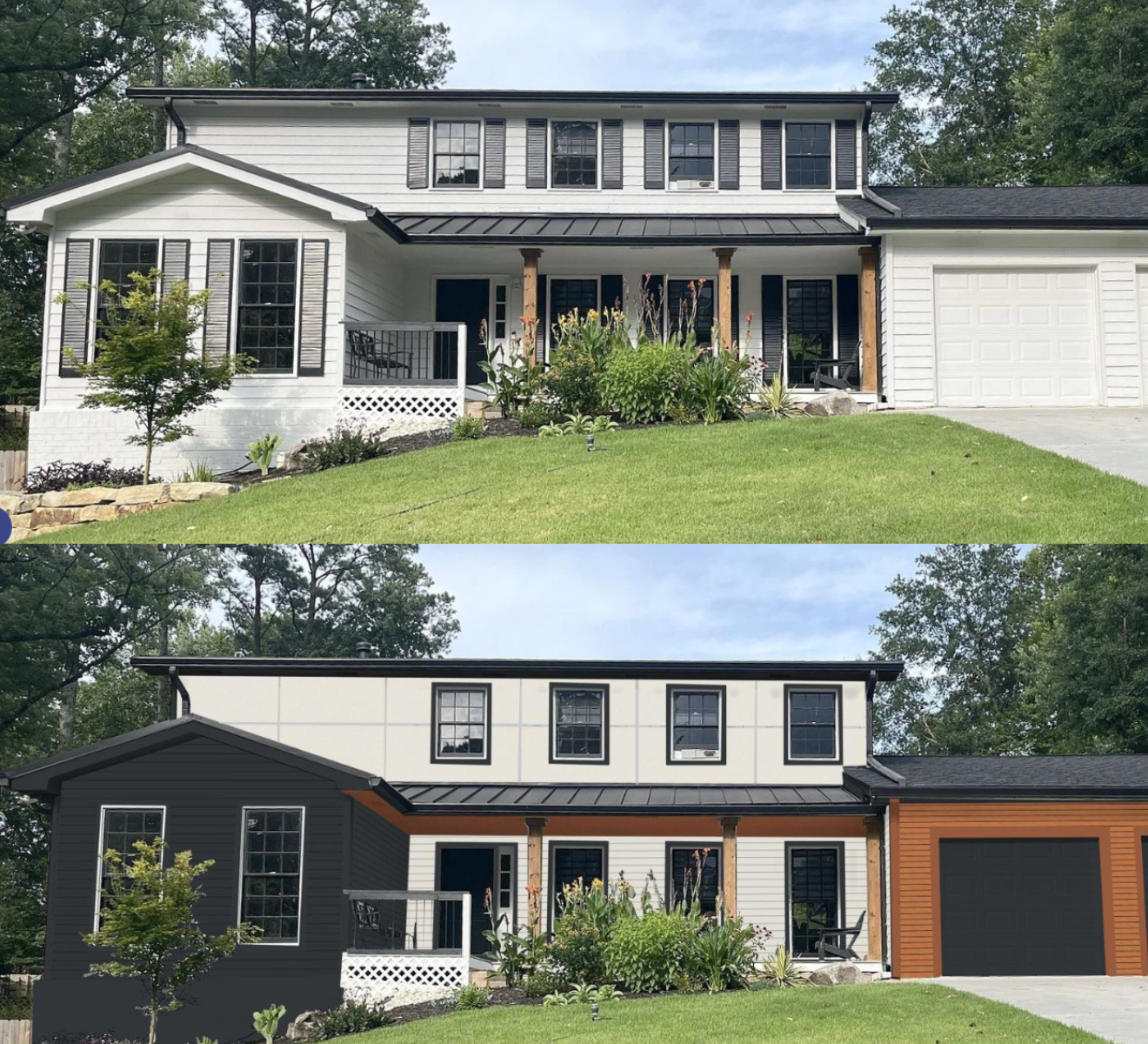
Real estate is a visual market. Data points like price, square footage, or year built tell part of the story, but photos reveal the truth behind the numbers. When historical images are preserved, they become a time machine. They help professionals answer questions such as:
- What did the property look like before renovations?
- How has the exterior changed over time?
- Were there structural or design elements that no longer exist?
- How did the condition compare to similar homes in the same year?
The MLS remains one of the few systems designed to keep those visual records intact, organized, and accessible—long after public listing pages disappear.
Where the MLS Photo Archive Begins
1. Photo Upload During Listing Creation
Every listing starts with a set of photos uploaded by an agent or broker. These images usually include:
- Exterior front and back
- Living areas
- Bedrooms and bathrooms
- Kitchen
- Major features such as pools, rooftop areas, or basements
- Community amenities when relevant
MLS platforms enforce strict guidelines regarding size, resolution, watermarking, and labeling. This ensures consistent quality and reliable archiving.
2. Metadata is Captured Immediately
When the images are uploaded, the system doesn’t just store the photos—it stores additional data about them, such as:
- Upload timestamp
- Agent ID
- Listing ID
- Photo order
- Photo captions, if provided
- Property address
This metadata is critical. It allows the MLS to link images to specific properties forever, even if the property is relisted multiple times.
How MLS Preserves Images When a Listing Changes
1. When a Listing Goes from Active to Sold
Instead of removing the photos, the MLS moves them into a long-term historical database. Agents often can’t publicly reuse the images unless they own the rights, but the MLS retains them internally for:
- Reporting
- Market analytics
- Appraisal support
- Comparative studies
- Compliance checks
These older photos remain attached to that same property ID for future reference.
2. When a Property Is Relisted
If a home goes back on the market years later, the new agent uploads fresh images. The MLS does not overwrite the old ones. Instead, it stores each set as separate entries under the same parcel.
This creates a complete visual timeline of the property.
3. When Photos Are Updated Within the Same Listing
Some agents update listing images as renovations progress or when professional photography replaces initial snapshots. The MLS keeps all versions:
- Original upload
- Updated photos
- Reordered galleries
This ensures accuracy during auditing or when historical comparisons are needed.
Where MLS Photo Archives Are Stored
1. High-Capacity Image Servers
MLS systems use specialized servers designed to store millions of images. These servers:
- Support large file sizes
- Have data redundancy (duplicates stored in multiple locations)
- Use fast read/write technology
- Allow immediate access for authorized users
A typical MLS retains decades of property photos within its infrastructure.
2. Cloud-Based Storage
Most modern MLS platforms rely on secure cloud systems. Benefits include:
- Scalability: storage expands automatically
- Faster delivery: agents can access archives instantly
- Disaster recovery: data remains safe even during outages
- Advanced search and indexing
Cloud storage also makes it easier to manage extremely large visual databases.
3. Redundant Backups
To protect against data loss, the MLS stores photos in multiple formats and locations. Backup cycles often run every few hours, creating several layers of protection.
This means even if an image is accidentally deleted, corrupted, or overwritten, the MLS can restore it.
How MLS Organizes Its Historical Photo Library
1. Property-Centric Organization
Each property has a unique identifier within the MLS database—often linked to the parcel number. This allows:
- Full history of images across all years
- Tracking renovations and structural changes
- Accurate comparisons when pricing or advising clients
The property itself becomes the anchor point, not the listing.
2. Listing-Level Archives
MLS platforms maintain separate image sets per listing. This helps distinguish:
- Different marketing cycles
- Changes in ownership
- Renovation phases
- Seasonal photography differences
Pros can quickly browse through each listing era to understand how a property evolved.
3. Image Categorization and Tagging
Although agents upload the photos, the system may automate categorization:
- Exterior front
- Bathroom
- Kitchen
- Living room
- Amenities
- Structural details
Tags help locate photos quickly when researching specific features.
How Professionals Use MLS Historical Photos
1. For Accurate Appraisals
Appraisers rely on historical photos to understand:
- Past property conditions
- Renovation impact
- Quality of construction
- Market value evolution
Without these photos, appraisals would be far less accurate.
2. For Brokers Preparing CMAs
Comparative Market Analyses are stronger when agents can show:
- How the comp properties looked at the time of sale
- Whether renovations justify higher pricing
- How condition differences influence value
Historical images reduce guesswork.
3. For Developers Researching Market Patterns
Developers use archived MLS photos to evaluate:
- Architectural styles over time
- Neighborhood upgrades
- Trends in interior finishes
- Investor renovation patterns
- Market appetite for certain layouts
These insights guide design and investment decisions.
4. For Buyers Doing Due Diligence
Savvy buyers often request older listing photos to see:
- Hidden issues that were later renovated
- Condition before recent upgrades
- Layout changes
- Evidence of structural modifications
The MLS is usually the only place where such a visual history exists.
5. For Compliance and Dispute Resolution
Historical images are used in cases involving:
- Appraisal challenges
- Disclosure disputes
- Renovation verification
- Developer inspections
- Agent-to-agent disagreements
Photo records help maintain transparency and protect professionals.
Why MLS Photo Archives Are More Valuable Today Than Ever
1. Properties Change Faster
With the rise of:
- Short-term rentals
- Investor flips
- Modern renovations
- New technology-based architecture
Properties transform more frequently. MLS archives capture every stage.
2. Public Websites Don’t Keep Historical Photos
Most consumer platforms remove old images once a listing expires or updates. MLS systems preserve them indefinitely.
3. Visual Proof Supports Smarter Investment
Investors want to see:
- Condition changes
- Trends in finishes
- Quality of prior renovations
The MLS photo library makes this possible.
4. AI and Computer Vision Need Large Datasets
As MLS systems adopt AI-driven tools such as:
- Renovation scoring
- Condition analysis
- Price prediction
- Style classification
Historical images become essential training data.
5. Market Transparency Depends on Visual Evidence
Numbers alone don’t tell the full story. Photos add context, accuracy, and honesty to real estate decision-making.
Challenges in Managing MLS Historical Photos
Despite its value, managing millions of images is not simple. MLS operators face challenges such as:
1. Storage Overload
High-resolution images require significant space. This forces MLS platforms to continuously expand their capacity.
2. File Standardization
Different photographers, devices, and agents produce inconsistent image quality. Standardization rules help, but variations persist.
3. Data Privacy and Copyright
MLS must ensure:
- Only authorized users can access archives
- Images aren’t reused without rights
- Personal data or identifiable information is handled responsibly
4. Maintaining Speed and Performance
As archives grow, MLS systems must stay fast and responsive. This requires constant updates to servers and delivery systems.
5. Organization Over Decades
Keeping decades of images well-labeled and accessible is a long-term challenge requiring strong database management.
The Future of MLS Photo Archiving
MLS photo archives are evolving rapidly. The next generation of archiving will likely include:
1. AI-Based Photo Tagging
Automated classification for:
- Room type
- Condition
- Architectural style
- Renovation indicators
- Structural anomalies
This will make historical images even easier to analyze.
2. 3D and VR Archives
Virtual tours and 3D scans will eventually be stored alongside traditional photos, giving an even deeper historical record.
3. Upgrade-Based Trend Analysis
MLS platforms may soon use historical image series to automatically detect:
- Past renovation years
- Design trend cycles
- Material upgrades
- Wear and tear patterns
4. Predictive Modeling Using Visual Data
Photo archives will help forecast:
- Future property values
- Which renovations add the most ROI
- Neighborhood design shifts
5. Integration With Municipal or Registry Databases
This could synchronize:
- Permit records
- Renovation approvals
- Architectural drawings
- Before-and-after images
All linked to one property record.
Conclusion
Historical photo archives are one of the most powerful and least appreciated functions of the MLS. They transform the system from a simple listing platform into a long-term visual database that preserves the evolution of real estate. By storing every photo ever uploaded—and linking each set to property history—the MLS empowers brokers, buyers, developers, appraisers, and investors with unmatched clarity and accuracy.
Understanding how these archives work helps professionals use them more effectively, make smarter decisions, and better serve their clients.
FAQs
1. How long does the MLS keep historical photos?
Most MLS platforms keep photos indefinitely. Even if a listing expires or is removed, the photos remain stored internally for future reference.
2. Can agents reuse old MLS photos for new listings?
Only if they own the rights or have written permission from the original photographer. Otherwise, new photos must be taken.
3. Do public websites have access to MLS historical photos?
No. Consumer websites typically remove old images, while MLS platforms store them privately for professional use.
4. Why are old MLS photos important for pricing a property?
They show previous conditions, allowing agents and appraisers to evaluate how upgrades, repairs, or deterioration affect current value.
5. Can MLS historical photos help identify undisclosed renovations?
Yes. By comparing old and new images, professionals can detect major changes, materials used, additions, or removed features.