What makes a property listing instantly capture a buyer’s attention—while another, with the same features, gets ignored?
Most people assume it’s the price, photos, or neighborhood. But there’s another underrated factor that quietly shapes buyer perception: the order in which rooms are presented in the MLS listing.
For brokers, developers, and buyers, understanding how room sequence influences engagement isn’t just a technical detail—it’s a powerful marketing advantage. A listing with the right room flow creates emotional momentum, keeps buyers scrolling, and increases the likelihood of property tours and faster offers.
In this article, we’ll unpack why MLS room sequence matters more than you think, how it mirrors in-person viewing psychology, and how to optimize your listings for maximum buyer engagement.
Why Room Sequence Matters More Than Many Realize
When buyers browse listings, they’re not casually glancing. Their brains are making snap decisions within seconds—decisions about value, livability, style, and overall appeal.
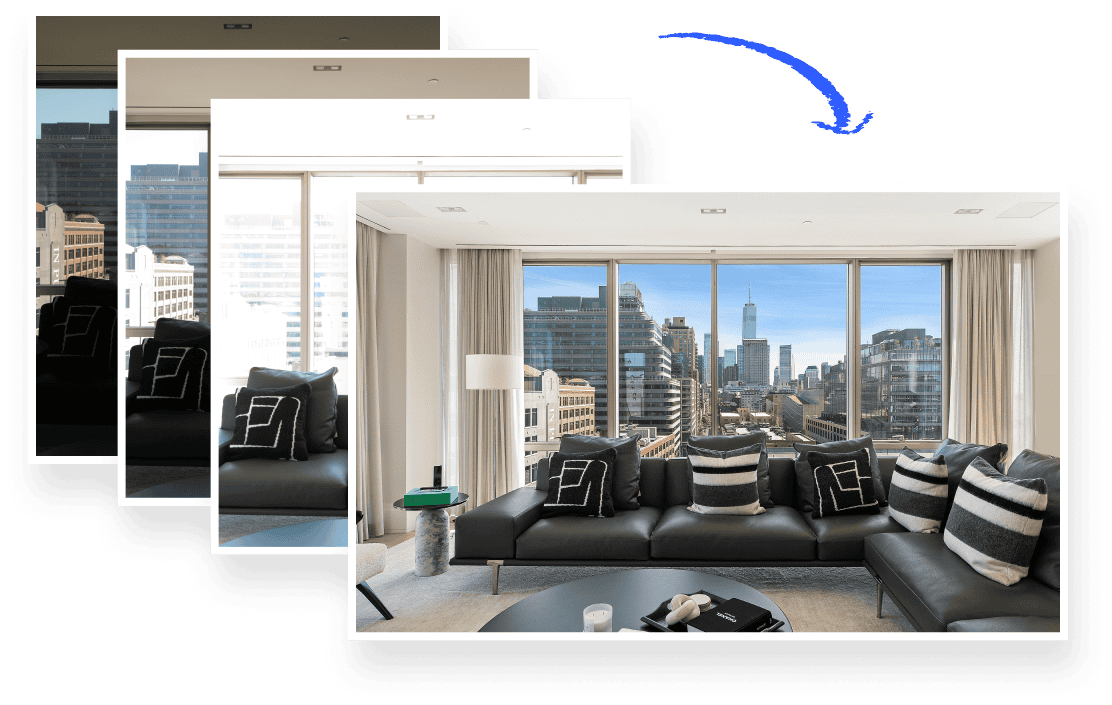
The order in which rooms appear can:
- Set the emotional tone
- Shape expectations
- Influence the perceived flow of the home
- Determine whether buyers continue exploring the listing
- Make key features stand out (or disappear)
In short, room sequence influences whether a buyer imagines themselves walking through the home—something that significantly boosts engagement and conversion.
Think of it as digital storytelling. A well-sequenced MLS listing tells a story that feels natural and compelling. A poorly sequenced one feels disjointed, confusing, and easy to abandon.
The Psychology Behind Buyer Engagement
To understand room sequence, you need to understand how buyers mentally “walk through” a home while viewing photos or virtual tours.
Here’s what’s happening behind the scenes:
1. Buyers Build a Mental Map
People want to understand the layout of a home as quickly as possible.
Disordered rooms create cognitive friction.
Orderly flow creates clarity and comfort.
2. The First 3 Rooms Set the Tone
Whatever buyers see first affects how they interpret everything that follows.
If the initial rooms are attractive, bright, and spacious, buyers interpret the property more positively overall.
3. Emotional Impact Drives Action
Real estate browsing is emotional.
Buyers are drawn to listings that feel intuitive and easy to follow.
When rooms are presented in a natural sequence, engagement rises dramatically.
4. Human Brains Like Progression
People prefer to view images that follow a logical pathway.
A scattered room sequence interrupts that “journey,” causing buyers to lose interest.
This is why MLS room sequence is not just a technical listing detail—it’s a behavioral strategy.
The Ideal Room Sequence: What Today’s Buyers Expect
There’s no single “perfect” room order for every home, but certain patterns consistently perform better because they match how buyers expect to tour a home in real life.
1. Start With the Exterior (But Only If It’s Strong)
Exterior shots set the stage.
But if the front of the home is not a selling point, start indoors.
The exterior shot should be:
- Well-lit
- Clean
- Inviting
A poor-quality exterior photo at the top can reduce engagement instantly.
2. Move Into the Entryway
Buyers expect the listing to guide them through the front door.
It gives them orientation and sets the tone for the interior.
3. Feature the Main Living Area Early
This is the emotional centerpiece of most homes.
Living spaces should come before:
- Bedrooms
- Bathrooms
- Service rooms
Because buyers form their biggest impressions here.
4. Showcase the Kitchen Soon After
The kitchen is a decision-making room.
In many homes, it’s the tipping point between interest and disinterest.
Buyers want to see:
- Layout
- Cabinetry style
- Appliances
- Lighting
- Storage options
Placing kitchen photos too late weakens the impact.
5. Then Transition to Dining and Secondary Living Areas
This keeps the flow natural and easy to understand.
6. Add Bedrooms in Logical Order
Primary bedroom first.
Secondary bedrooms next.
Guest rooms and home offices can follow.
This mirrors how people expect to walk through the property.
7. Bathrooms and Utility Rooms Later
These are supporting spaces, not lead features.
8. Outdoor Amenities Last
Patios, balconies, pools, or gardens make excellent “closing images” to restore emotional excitement at the end.
Common Room Sequence Mistakes That Hurt Buyer Engagement
MLS listings lose a significant amount of traffic and interest due to simple sequencing mistakes.
Here are the most common issues:
1. Starting With the Wrong Room
Some listings begin with:
- A bathroom
- A hallway
- A dark bedroom
- A close-up of a sink
This is the fastest way to lose engagement.
2. Jumping Back and Forth Between Rooms
For example:
- Living room
- Bedroom
- Kitchen
- Another bedroom
- Dining room
Buyers can’t follow this visually, so they stop scrolling.
3. Showing Cluttered or Unfinished Spaces Early
If the best rooms aren’t first, buyers often leave the listing before seeing them.
4. Putting Important Rooms Too Late
If the kitchen, living area, or primary suite appears toward the end:
Engagement drops
Tour requests drop
Time-on-listing increases
5. Overloading With Too Many Similar Shots
Multiple angles of the same room can be useful—just not at the beginning of the sequence.
Why the First Five Photos Matter Most
In any MLS listing, the first five photos drive the majority of buyer clicks, saves, and inquiries. These photos establish:
- The style of the home
- The layout
- The perceived value
- The emotional appeal
When the room sequence starts strong, buyers invest more time and attention in the rest of the listing.
If the first five photos confuse them?
They move on to the next property.
How Developers Can Leverage Room Sequence
Developers benefit hugely from optimized room sequencing, especially for:
- New builds
- Off-plan listings
- Multi-unit developments
- Luxury projects
Strategic sequencing allows developers to:
- Highlight signature design elements
- Emphasize square footage
- Showcase high-quality materials
- Guide buyers to visual “wow moments”
For example:
Leading with a dramatic open-plan living area, then transitioning to the primary suite with strong finishes, creates a powerful emotional narrative that influences buyer decisions.
How Brokers Can Use Room Sequence to Increase Conversions
Brokers who master sequencing gain a distinct competitive advantage.
Recommended strategies:
1. Walk the Home First
Understand the real flow before uploading photos.
2. Create a Shot List Based on Buyer Priorities
What features are most likely to sell the property?
Put them early.
3. Avoid Photo Repetition
Use alternate angles sparingly.
4. Lead With Emotion, End With Aspiration
Living area first.
Best lifestyle feature last.
This creates a strong beginning and memorable finish.
How Buyers Benefit From Improved Room Sequence
Buyers often don’t realize why some listings “feel right,” but they notice the difference.
Good room sequence helps them:
- Understand layout faster
- Visualize themselves in the space
- Feel confident that the home is well-organized
- Feel less overwhelmed
- Build excitement earlier
This clarity reduces friction and contributes to better decision-making.
The Role of Consistency Across Platforms
Buyers rarely rely on one platform anymore.
They browse:
- MLS portals
- Developer websites
- Social media ads
- Property apps
If the room sequence is mismatched across platforms, buyers feel confused and often disengage.
Consistent sequencing builds familiarity and speeds up recognition, which leads to higher engagement.
Virtual Tours, Videos, and the Power of Flow
Room sequence isn’t limited to static photos.
It also applies to:
- Video walkthroughs
- 3D tours
- Virtual staging
- Augmented reality property previews
In interactive formats, flow becomes even more critical.
A jerky, illogical path creates frustration, while a smooth journey builds trust and interest.
Room Sequence as a Branding Element
For brokers and developers, sequencing becomes part of brand identity.
Consistently well-sequenced listings signal:
- Professionalism
- Attention to detail
- Understanding of buyer psychology
- Respect for the buyer’s time
Over time, buyers begin to associate that level of quality with the brand itself.
Practical Tips to Improve Room Sequence Today
Here’s a simple checklist you can apply immediately:
- Begin with the strongest angle of the living area or exterior.
- Ensure rooms follow a logical, walkable path.
- Place the kitchen early—buyers expect it.
- Put the primary bedroom before secondary rooms.
- Save utility spaces for later.
- End with lifestyle-enhancing features (balcony, garden, pool).
- Maintain consistent lighting and style across all photos.
- Avoid visual clutter or confusing angles.
- Use only the best photos; remove unnecessary duplicates.
- Review the sequence from the perspective of a buyer seeing it for the first time.
In Summary
Room sequence isn’t just a minor detail in MLS listings.
It’s a powerful engagement tool grounded in psychology, buyer behavior, and digital marketing principles.
When rooms are presented in the right order:
- Buyers scroll longer
- Engagement rates rise
- Virtual and in-person tours increase
- Offers come faster
- Properties stand out in competitive markets
By treating MLS room sequence as a strategic storytelling tool, brokers, buyers, and developers can amplify property appeal, highlight value, and improve transaction outcomes.
FAQs
1. Why is room sequence important in property listings?
Room sequence guides buyers through the home in a logical, intuitive way. A strong sequence helps them understand the layout, form emotional connections, and stay engaged longer.
2. Should every listing start with an exterior photo?
Not always. Start with the exterior only if it’s visually appealing. If the living area or interior is stronger, begin there.
3. How many photos should appear before showing bedrooms?
Typically, after showing the living area, kitchen, and dining area. Bedrooms should not appear too early, as buyers expect the main living spaces first.
4. Do virtual tours also need attention to room sequence?
Yes. In fact, flow matters even more in videos and 3D tours because buyers experience them like actual walkthroughs.
5. What rooms should be shown last in the sequence?
Utility rooms, storage areas, and secondary bathrooms. Ideally, close the listing with a lifestyle-enhancing feature such as a balcony, pool, or outdoor space.