Have you ever scrolled through property listings and instantly clicked past homes with blurry, dark, or poorly composed photos?
In 2025, buyers are more visually discerning than ever. High-quality images aren’t just a “nice-to-have” — they’re a critical part of the decision-making process. The quality of your MLS photos can make or break your property’s chances of attracting serious buyers.
For sellers, brokers, and developers, understanding MLS photo standards and buyer expectations is essential. Listings that meet professional visual standards generate more interest, faster showings, and higher offers. In a competitive market, visuals are no longer optional — they are a decisive factor that directly impacts your ability to sell quickly and at the right price.
This article explores why MLS photo standards are crucial in 2025, what buyers expect, how to meet these expectations, and practical strategies for presenting properties in their best light.
Why MLS Photos Matter More Than Ever
MLS photos are often the first interaction a buyer has with a property. In the digital age, where most buyers begin their search online, these images often determine whether a potential buyer even steps inside. Listings with high-quality photos consistently outperform listings with poor visuals.
Research has shown that listings with professional images:
- Receive more clicks and inquiries
- Sell faster than listings with poor visuals
- Often achieve higher selling prices
- Attract more serious buyers, reducing wasted showings
In 2025, buyers expect more than just a basic snapshot of each room. They want clarity, accuracy, and a sense of space — images that help them visualize living in the property before a single showing. This expectation is particularly important for developers marketing multiple units or brokers presenting high-end properties.
MLS photos serve as the digital storefront of your property. Just as a retail store invests in window displays to draw in shoppers, sellers and brokers must ensure their property looks appealing at first glance. Poor visuals can create negative perceptions even before a buyer has had a chance to experience the space in person.
1. Resolution and Image Quality
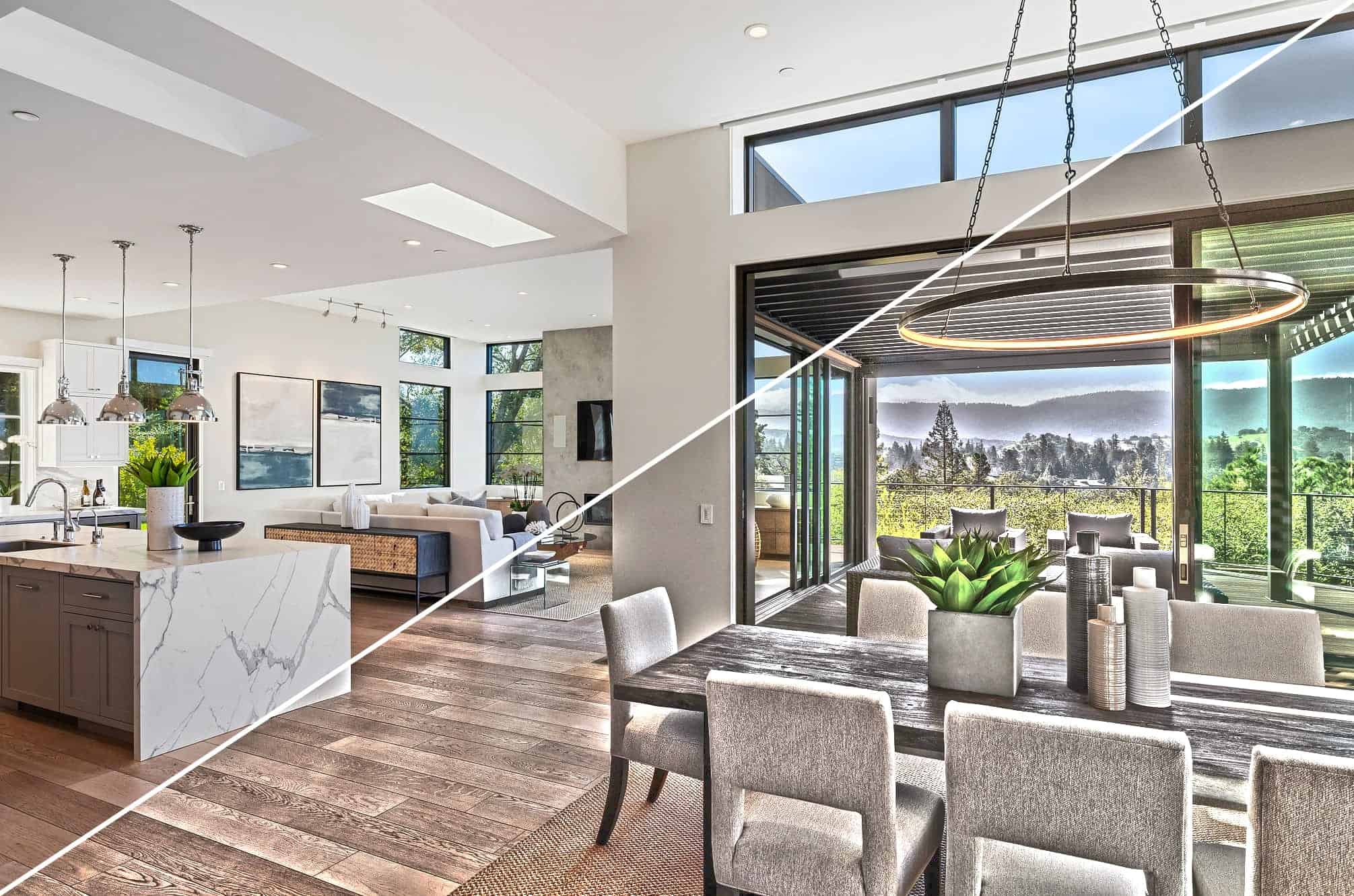
High-resolution images are non-negotiable. Buyers notice when photos are pixelated, grainy, or poorly lit. MLS systems now often enforce minimum resolution requirements, ensuring listings look professional across desktop and mobile devices.
Best practices include:
- Shooting at least 1920×1080 pixels (Full HD) or higher
- Avoiding compression that reduces quality
- Using cameras or smartphones capable of capturing sharp, detailed images
- Checking images on both desktop and mobile devices before uploading
In addition, consistency matters. Every photo should be clear and detailed, with a uniform visual style across the entire listing. Disjointed photo quality — where some images are sharp and others blurry — can confuse buyers and suggest carelessness.
For developers, resolution matters for marketing multiple units. Clear images allow prospective buyers to compare floor plans and layouts easily, increasing confidence and improving conversion rates from inquiry to sale.
2. Brightness, Lighting, and Color Accuracy
Lighting is everything in real estate photography. Dark, shadowy rooms feel smaller and less inviting, while bright, well-lit rooms look spacious and welcoming. Natural light is ideal, but MLS photos must also account for low-light conditions and interior lighting.
Key tips include:
- Shoot during daylight hours when natural light is strongest
- Turn on all interior lights to avoid uneven shadows
- Adjust white balance to ensure colors are true to life
- Avoid over-editing; buyers expect a realistic representation
Lighting affects perception, and perception affects value. A room that appears dim or dingy online can dissuade buyers, even if the space is attractive in person. Accurate color and lighting also help buyers understand the property’s true condition, which builds trust and reduces surprises during inspections.
3. Wide-Angle Shots for Space Perception
In 2025, buyers want to understand layout and space flow. Wide-angle lenses are essential to capture the full scope of each room.
Benefits of wide-angle shots:
- Helps buyers visualize furniture placement and room functionality
- Provides a sense of room size and proportion
- Shows how spaces connect, crucial for open floor plans
However, care must be taken to avoid excessive distortion. Overuse of wide-angle lenses can make rooms look unnatural or disproportionate, creating unrealistic expectations that may lead to disappointment during in-person visits. A balance between wide-angle shots and close-ups of features is recommended.
Developers selling multiple units can benefit from wide-angle shots to highlight layouts in promotional materials, enabling buyers to compare units and make informed choices quickly.
4. Standardized Room Order
MLS photo standards often specify the sequence of photos:
- Exterior front of the property
- Entryway and main living spaces
- Kitchen
- Bedrooms
- Bathrooms
- Additional features (balcony, backyard, amenities)
Maintaining this order allows buyers to navigate the listing logically and compare properties efficiently. Random or missing images can frustrate buyers, reduce engagement, and potentially lead to missed opportunities.
Consistency also helps brokers manage multiple listings effectively. When buyers know what to expect from the first image to the last, it streamlines decision-making and builds confidence in the property’s presentation.
5. Minimal Staging and Clutter-Free Rooms
In 2025, buyers expect a clean, neutral environment that allows them to imagine their own belongings in the space. Professional staging is optional but highly recommended, particularly for high-value or unique properties.
Tips for photo-ready spaces:
- Remove personal items, excess furniture, and clutter
- Keep décor neutral to appeal to a wide audience
- Highlight key selling points, such as built-in storage, countertops, and natural light
- Organize rooms to create symmetry and visual balance
Cluttered or overly personalized rooms can distract buyers and make spaces feel smaller. Proper staging ensures buyers focus on the property’s potential rather than the current owner’s style.
6. Exterior and Curb Appeal Photos
First impressions matter. Exterior images set the tone for the entire listing. Buyers increasingly evaluate a property’s exterior before reviewing interiors. In 2025, buyers expect:
- Clear shots of the front façade
- Well-lit images during daylight
- Landscaped areas or outdoor amenities are clearly visible
- Multiple angles to show depth and context
Even if the interior is perfect, poor exterior photos can lower perceived value and reduce showings. For developers and brokers, exterior visuals also help convey neighborhood quality and property positioning, which are critical factors for high-end buyers.
7. Feature Highlights and Amenities
Buyers now expect MLS listings to highlight features beyond the standard rooms, including:
- Pools, terraces, or patios
- Parking or garage spaces
- Fitness or recreational facilities
- Views or proximity to landmarks
High-quality, targeted images draw attention to selling points that justify price and differentiate your property from competitors. Developers can use these images in marketing campaigns to showcase unique amenities that may appeal to niche markets or investors.
8. Compliance With MLS Standards
MLS systems often enforce rules regarding:
- Number of images allowed
- File size limits
- Prohibited elements, such as watermarks, personal contact information, or misleading enhancements
Adhering to these standards ensures your listing appears professional, avoids rejection, and maximizes exposure. Listings that comply with MLS rules also signal credibility and professionalism to buyers.
Brokers and developers benefit from compliance because well-prepared listings generate fewer questions and complications during the transaction process.
9. Mobile-First Approach
The majority of buyers now browse listings on mobile devices. MLS photos must be optimized for mobile viewing:
- Fast-loading images without quality loss
- Correct display in both vertical and horizontal orientations
- Ability to zoom and see details clearly
A mobile-first approach ensures your listing reaches buyers where they are most active, increasing engagement and reducing missed opportunities.
10. Video and Virtual Tour Integration
While optional, MLS photo standards increasingly encourage video tours or 3D walkthroughs. Buyers in 2025 expect interactive visual content that helps them understand spatial relationships and property flow before visiting in person.
Interactive content options:
- Short video tours of main living spaces
- 360-degree panoramic views
- Virtual staging to show layout possibilities
Such media not only enhances buyer confidence but also reduces unnecessary showings, allowing brokers to focus on serious buyers and accelerating sales cycles.
Practical Tips for Achieving MLS Photo Excellence
Checklist for 2025 MLS photos:
- Use high-resolution cameras or smartphones
- Optimize lighting and color accuracy
- Employ wide-angle shots carefully to capture room scale
- Maintain a consistent, standardized photo order
- Stage rooms minimally and remove clutter
- Highlight exterior and unique features
- Follow MLS image compliance rules
- Optimize for mobile viewing
- Include optional video or 3D tours
These steps help sellers, brokers, and developers present properties in the best possible way, attracting serious buyers and maximizing sale potential.
FAQs
1. How many photos should a property have on MLS in 2025?
Most MLS platforms allow 20–40 images per listing. High-value properties may benefit from including all key rooms, exterior shots, and special features.
2. Should I hire a professional photographer for MLS listings?
Yes. Professional photos increase buyer engagement, highlight property strengths, and can lead to faster sales and higher offers.
3. Are virtual staging or video tours necessary?
They’re not mandatory but highly recommended. They help buyers visualize the property, especially in competitive markets, and can reduce unnecessary showings.
4. Can poor MLS photos affect the selling price?
Absolutely. Listings with low-quality images often receive fewer inquiries, longer days on market, and sometimes lower offers because buyers may undervalue the property.