Religious and community buildings are foundational to neighborhoods, offering spaces for worship, social support, and cultural events.
As these structures undergo transitions—whether through sales, relocations, or repurposing—the role of MLS (Multiple Listing Service) platforms becomes increasingly vital.
This article explores how MLS services cater to religious and community properties, the training required for agents, the integration of AI and analytics, and the broader impact on real estate and community development.
Overview
MLS platforms have evolved beyond serving solely residential and commercial markets. They now include listings for niche categories, such as religious and community buildings, offering a centralized space for buyers, sellers, and agents. This inclusion requires specialized knowledge, enhanced digital tools, and a deep understanding of the unique nature of such properties.
Real Estate Development World
Developers are increasingly eyeing religious and community buildings for redevelopment. Old churches, synagogues, and community halls are being transformed into condos, art spaces, or co-working environments. This trend demands thoughtful integration of cultural significance and urban planning strategies.
The MLS Concept
MLS systems allow for the efficient listing and sharing of properties among agents and brokers. Including religious and community buildings in these systems expands exposure, aids in comparative market analysis, and streamlines transactions.
Needed Training Courses
Agents require training in zoning regulations, historical preservation, nonprofit transactions, and religious property law. Specialized training equips professionals with the tools to navigate the nuances of selling or leasing faith-based and communal spaces.
Needed Certifications
Certifications such as the Certified Commercial Investment Member (CCIM) or courses in nonprofit real estate operations empower agents to handle religious property deals with professionalism and legal accuracy.
Onboarding Programs for New Agents
Onboarding programs should include education on cultural sensitivity, special-use zoning, and outreach strategies for religious and nonprofit groups. These insights prepare agents to serve clients with respect and efficacy.
MLS Agent Onboarding Processes
New agents should be trained in how to categorize religious and community listings, input relevant data (e.g., seating capacity, parking, ADA compliance), and understand local laws affecting such properties. MLS-specific modules can enhance confidence and competence.
MLS Platforms
Modern MLS platforms feature enhanced search filters, map overlays, and integration with nonprofit registries. These features make it easier to identify, evaluate, and market religious and community buildings within appropriate buyer networks.
Optimizing MLS
MLS optimization for religious properties involves categorizing listings under special-use classifications, ensuring visibility in both traditional and niche searches. Enhanced metadata tagging and integration with GIS tools improve discoverability.
Artificial Intelligence
AI facilitates smart searching, helping match users with religious properties that meet specific needs, such as architectural style, location, or size. Predictive models assess which listings align with user intentions, improving conversion rates.
AI Matching Buyers with Ideal Neighborhoods
AI tools analyze factors such as proximity to other religious institutions, demographic compatibility, and foot traffic. These insights help match congregations or nonprofits with the neighborhoods best suited for their mission and growth.
Analytics
Analytics platforms provide insights into property trends, neighborhood development, and usage patterns. This is especially useful for religious groups planning relocation or expansion, offering data-driven decision support.
Economic Impact
The sale or repurposing of religious and community buildings has economic ripple effects, generating real estate activity, increasing tax revenues, and sometimes altering neighborhood dynamics. Strategic planning helps balance growth with cultural preservation.
Data Quality Management
Accurate listing data ensures that properties are marketed truthfully. Key details—such as sanctuary size, kitchen facilities, and community room capacity—must be updated regularly to meet the expectations of religious buyers or tenants.
Intelligent Listing Alerts Based on Market Movement
Customized alerts notify agents and interested parties about relevant market movements, such as newly listed churches or declining prices on community centers. These alerts support timely action in high-demand areas.
Data Security Standards
Religious organizations often prioritize privacy. MLS platforms must employ encryption, secure access, and compliance with data protection laws to protect sensitive transaction and organizational data.
Personalization Features
Personalized dashboards allow users to save preferences, bookmark listings, and receive targeted property suggestions. This improves user engagement, especially for buyers with specific religious or cultural needs.
Property Valuation Tools
AVMs and manual comps help determine fair market values for unique structures like mosques or temples. These tools consider location, condition, and comparable properties with similar usage.
MLS Tools for First-Time Homebuyers
While primarily for residential users, first-time homebuyer tools can be adapted for small congregations purchasing their first property. Financial calculators and grant information support informed decisions.
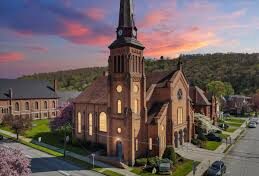
MLS Services for Religious or Community Buildings
Dedicated MLS services for these properties include specialized search filters, faith-based design attributes, and collaboration with religious real estate advisors. Listings are presented with respect and contextual accuracy, promoting transparency and community alignment.
Split-Screen MLS Views for Property Comparisons
Split-screen comparisons allow organizations to evaluate multiple venues simultaneously, reviewing factors like square footage, condition, amenities, and price. This is particularly useful for boards or councils reviewing options collectively.
Cross-Promotion Strategies in MLS
Agents can cross-promote religious properties through community newsletters, nonprofit partnerships, and social media targeting. Highlighting past success stories and testimonials adds credibility and reach.
Avoiding Legal Trouble When Wholesaling Properties
Wholesaling religious buildings requires careful legal compliance, including ownership verification, use restrictions, and local laws. Transparent contracts and nonprofit-consulted negotiation are essential.
MLS Leads – Integrating Digital Marketing
Digital campaigns using SEO, email, and targeted ads help generate leads for religious properties. Custom landing pages and video tours improve conversion and attract mission-aligned buyers.
Machine Learning Models
ML algorithms optimize listings by learning from past searches and buyer behavior. They can also identify underutilized properties with high potential for repurposing or community revitalization.
Renewable Energy Integration
Many religious groups prioritize sustainability. MLS listings now highlight solar panels, energy-efficient HVAC systems, and green certifications, aligning property features with faith-driven environmental stewardship.
Process Improvement
Automated scheduling, document management, and CRM integrations streamline the process of buying or selling religious buildings. These improvements reduce friction in sensitive transitions.
Innovation Hubs
Urban innovation hubs often include revitalized churches or community halls in their development plans. MLS can support this by tagging properties located within innovation zones or opportunity areas.
Review and Reputation Systems
Verified user reviews of properties and agents build trust, especially for religious groups making large financial commitments. Transparent feedback supports informed decision-making.
Venture Capital Investments
VCs are increasingly funding proptech solutions that support niche markets like religious real estate. This includes platforms tailored for nonprofit transactions or spiritual community matchmaking.
Business Model Innovation
Subscription-based MLS access, commission-sharing for nonprofits, and community co-ownership models represent innovative approaches to listing and acquiring religious properties.
Market Trend Predictive Modeling
Predictive models help forecast demand for religious buildings based on demographic shifts, migration patterns, and church closure rates. This data guides strategic investment and planning.
Operational Efficiency Solutions
Workflow tools embedded in MLS systems help agents manage documents, communicate with boards, and coordinate inspections. These solutions support timely, efficient, and respectful transactions.
Professional Development
Ongoing education ensures agents are up-to-date on laws, market trends, and best practices in religious real estate. MLS platforms often partner with educational providers to offer targeted courses.
Multiple Listing Services Software Providers
The effectiveness of MLS platforms depends on the work of Multiple Listing Services Software Providers. Their solutions allow professionals to manage listings, share data, and complete transactions with confidence.
Renowned global providers include CoreLogic Matrix MLS, Black Knight Paragon, FBS Flexmls, Rapattoni, and Bridge Interactive, each offering IDX, analytics, and mobile-ready systems.
In MENA, ArabMLS is introducing platforms such as Egypt MLS, Dubai MLS, Saudi MLS, Qatar MLS, and Bahrain MLS, bringing international standards into local markets.
This drives efficiency, transparency, and greater collaboration in the real estate sector.
Frequently Asked Questions
Can religious properties be listed on any MLS platform?
Yes, but they must be categorized correctly and comply with local zoning and disclosure laws.
Are religious properties zoned differently?
Often, yes. Special-use zoning applies, and agents must verify regulations before listing.
Can churches be turned into homes or offices?
In many cases, yes—but it requires rezoning, historic preservation review, and community consultation.
Do religious groups pay property taxes?
Typically, no. Most religious organizations have tax-exempt status, which may not transfer to new owners.
MLS services for religious and community buildings provide essential infrastructure for preserving, transforming, and reallocating sacred and civic spaces. By combining technological innovation with cultural sensitivity, MLS platforms empower agents, buyers, and communities to make informed, respectful decisions. The future of these unique properties lies in collaborative solutions that honor their past while embracing modern possibilities.