DO you know what enriches MLS speed?
In the fast-moving world of real estate, speed is more than a luxury—it’s a competitive necessity. Buyers expect instant access to new listings, sellers depend on rapid exposure, and agents rely on split-second accuracy to guide important decisions. Behind this fluid exchange of information lies an often-invisible technological backbone: the sophisticated engineering that powers Multiple Listing Services (MLS). While many people think of the MLS simply as a large database of properties, the truth is far more complex. It is a dynamic, high-performance ecosystem designed to process millions of data points, update listings in real time, and synchronize information across countless platforms.
This hidden engineering is what keeps the real estate market moving at the speed customers expect. Without it, listings would lag, data would become unreliable, and agents would struggle to maintain professionalism and trust. Understanding how MLS speed works—and why it matters—sheds light on the remarkable combination of software engineering, data science, networking, and automation working quietly behind the scenes.
Real-Time Data Processing: The Heart of MLS Speed
When an agent posts a listing, changes a price, updates photos, or marks a property as pending, the expectation is that the update appears everywhere immediately. This instantaneous visibility is made possible through real-time data processing systems that break incoming information into structured fields, validate the accuracy, and distribute it across servers within seconds.
Modern MLS platforms rely on advanced database architecture—often using cloud-native systems—designed to handle thousands of simultaneous updates without lag. These systems automatically check for formatting errors, missing information, or incorrect values before pushing the update live. This ensures consistent, high-quality data while preserving the speed that agents depend on.
Distributed Databases and Cloud Architecture
MLS systems store enormous amounts of information: millions of listings, high-resolution photos, documents, property histories, and market analytics. To keep everything fast and accessible, MLS platforms use distributed databases that divide the workload across multiple servers.
This architecture prevents slowdowns by:
-
Balancing traffic so no single server becomes overloaded
-
Duplicating data for reliability and quick recovery
-
Using in-memory caching for lightning-fast retrieval of commonly searched data
-
Allowing rapid scaling during peak search times
As demand grows—especially in hot real estate markets—cloud infrastructure automatically expands to maintain performance. The result is seamless, uninterrupted access for agents, brokerages, and consumers
RESO Standards: The Secret to Fast, Uniform Data
One of the biggest obstacles to speed in any large data system is inconsistency. The real estate industry solved this problem through standardization—most notably through RESO (Real Estate Standards Organization).
RESO provides structured definitions for fields such as bedrooms, building materials, lot size, property condition, and hundreds of other data points. When all MLS platforms follow the same standards, data moves quickly and cleanly between systems.
This uniformity allows:
-
Faster searching
-
More accurate filtering
-
Quicker syncing with third-party platforms
-
Easy integration with CRMs, websites, and mobile apps
It also eliminates the need for system translators or manual corrections, both of which would slow down the MLS significantly.
High-Speed APIs: The Connective Tissue of the MLS Ecosystem
When someone searches for a home on a brokerage website or national platform, they’re not accessing the MLS directly. Instead, those platforms receive a continuous feed of MLS data through APIs—high-speed digital bridges that connect systems.
APIs ensure instant distribution of listing updates to:
-
Brokerage websites
-
Mobile apps
-
CRM platforms
-
Marketing automation tools
-
Showing management systems
-
Valuation and CMA tools
When an agent updates a listing, the API sends the change everywhere within seconds, maintaining data accuracy across the entire real estate ecosystem. This interconnectedness is a major factor behind the perceived “speed” of modern MLS systems.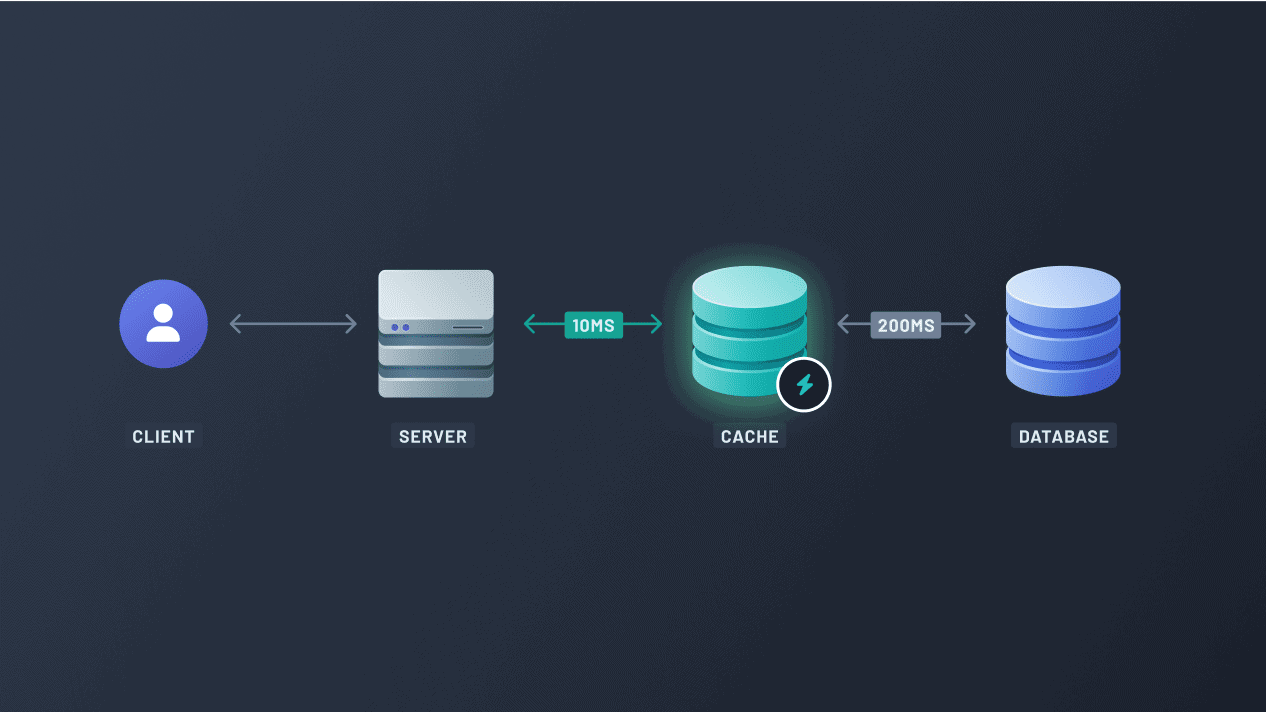
Media Optimization and Image Engineering
Photos and videos are some of the largest and slowest data types to process. In real estate, where buyers depend heavily on visual information, MLS platforms must deliver media quickly without compromising quality.
To achieve this, MLS systems use:
-
Compression algorithms that shrink file sizes while preserving clarity
-
Content Delivery Networks (CDNs) that store media on global servers for fast loading
-
Lazy loading technology, which loads previews first and full-quality images second
-
Automated resolution adjustments to optimize for mobile and desktop devices
This technical engineering ensures listings appear crisp and load quickly—even when packed with high-resolution images or 3D tours.
Security Systems That Protect Without Slowing Down
Because MLS platforms handle sensitive data, they employ multi-layer cybersecurity systems. But speed cannot be sacrificed for security, so these protections are engineered to operate in milliseconds.
Key systems include:
-
Encrypted data transmission
-
Zero-trust authentication
-
Continuous threat monitoring
-
Firewalls and intrusion detection
-
Role-based access controls
These layers guard against data breaches while ensuring seamless, nearly instant access for authorized users.
Automated Market Analytics and AI-Driven Insights
Modern MLS systems don’t simply store listings—they analyze trends. Using machine learning and automated analytics engines, MLS platforms process enormous volumes of data to generate insights in real time.
Agents rely on these tools for:
-
Pricing recommendations
-
Market trend detection
-
Inventory analysis
-
Days-on-market projections
-
Neighborhood comparisons
The speed of these insights is powered by behind-the-scenes algorithms that constantly update and refine their outputs without manual input.
The Future of MLS Speed
As the real estate industry continues evolving, the engineering behind MLS speed is moving toward even smarter, faster systems. Innovations on the horizon include:
-
AI-driven data entry and error detection
-
Predictive listing analytics
-
Instant photo tagging and feature recognition
-
Voice-activated search
-
Even faster mobile-first architecture
-
Automated marketing generation
-
Nationwide MLS data harmonization
These advancements will continue to drive MLS toward greater accuracy, accessibility, and speed.

Frequently Asked Questions
What is MLS speed, and why does it matter in the real estate industry?
MLS speed refers to how quickly a Multiple Listing Service can process, update, distribute, and synchronize property data. In real estate, timing is everything: listings must appear instantly across platforms so buyers see new properties right away and agents can act fast. Slow MLS systems lead to outdated data, missed opportunities, double bookings, and client frustration. High MLS speed ensures real-time accuracy, boosts market transparency, increases agent productivity, and helps homes reach the widest audience as quickly as possible.
What hidden technologies enable MLS systems to update listings in real time?
Modern MLS platforms rely on a mix of cloud computing, distributed databases, APIs, and automated data pipelines. When an agent uploads a listing, the system breaks the data into structured fields (price, square footage, photos, metadata) and syncs it across multiple servers. Cloud infrastructures allow thousands of simultaneous updates with minimal lag. APIs instantly push updates to portals like brokerage sites and CRM tools. Automated error checking ensures data quality before distribution. These technologies quietly work in the background to make MLS updates appear instantaneous to users.
How do MLS databases handle millions of records without slowing down?
MLS databases are engineered using high-performance indexing, sharding (splitting data across multiple machines), and in-memory caching. Indexing allows lightning-fast searches, even when filtering by dozens of criteria like price range, property type, or neighborhood. Sharding spreads data across multiple servers so no single machine becomes overloaded. Caching stores frequently accessed data in RAM, making retrieval nearly immediate. Together, these techniques maintain fast response times even when millions of listings, photos, and historical records are stored in the system.
Why is data standardization essential for MLS system speed?
Data standardization ensures that listing fields—such as bathrooms, lot size, property condition, or amenities—use uniform formats across all participating regions and organizations. When data is consistent, the system can search, sort, and display it rapidly without error correction. Standards like RESO (Real Estate Standards Organization) provide a common language that brokers, MLS systems, and software tools all understand. Without these standards, the system would need extra processing time to translate or correct inconsistencies, slowing down searches and updates.
What role do APIs play in improving MLS speed and connectivity?
APIs (Application Programming Interfaces) act as digital bridges between the MLS and external platforms like real estate websites, mobile apps, customer relationship systems (CRMs), and brokerage tools. Instead of manually sharing data, APIs automate the flow in real time, ensuring instant listing updates across all connected systems. For example, when a home goes “pending,” APIs immediately remove it from active search results everywhere. This eliminates delays, reduces duplicate data entry, prevents misinformation, and helps agents deliver timely insights to clients.